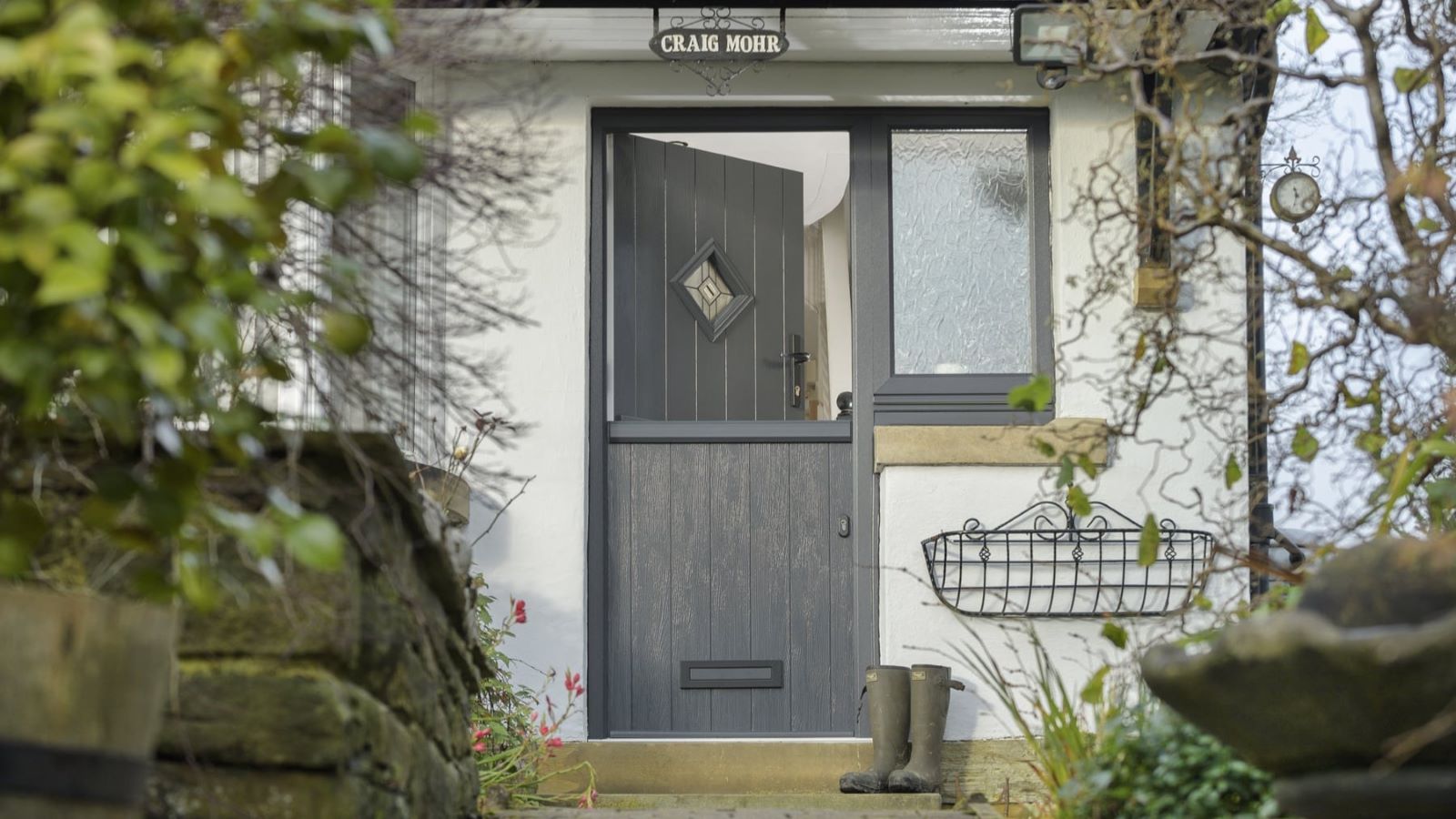
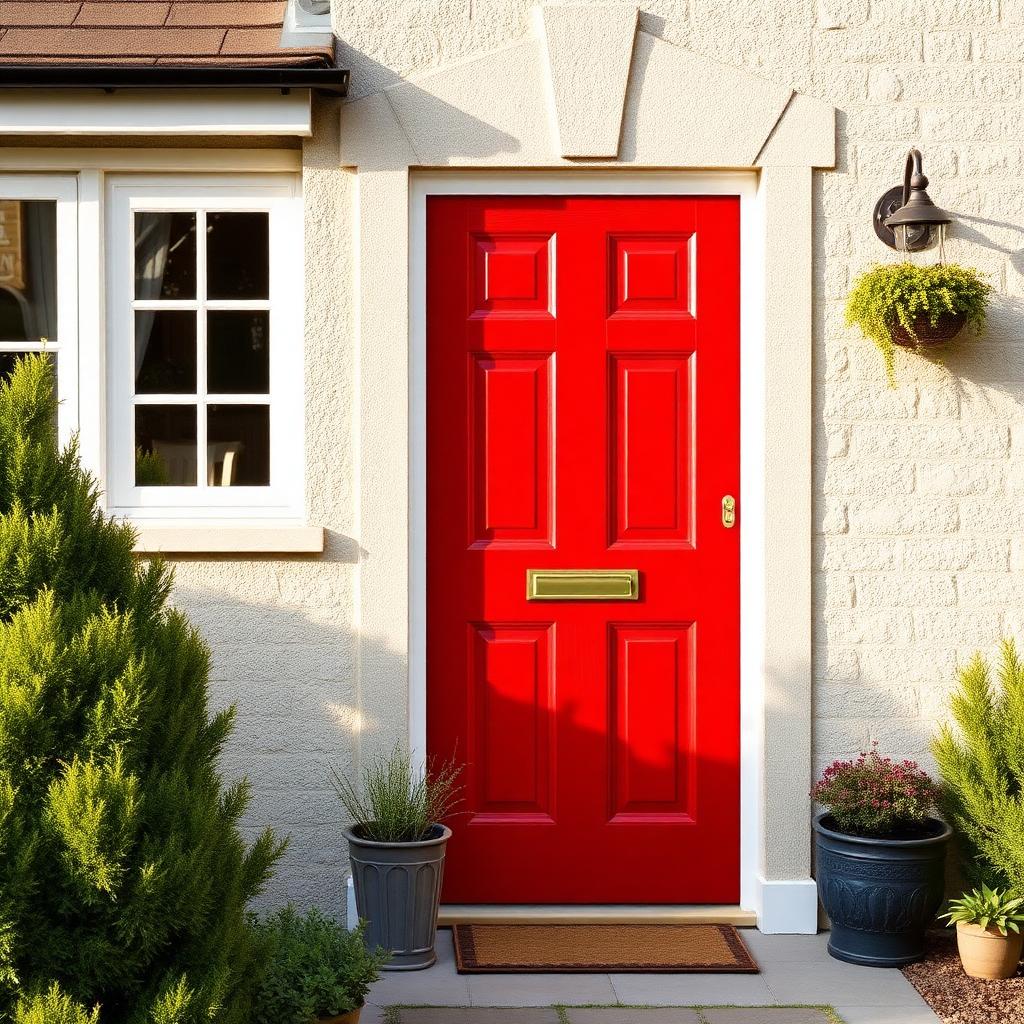
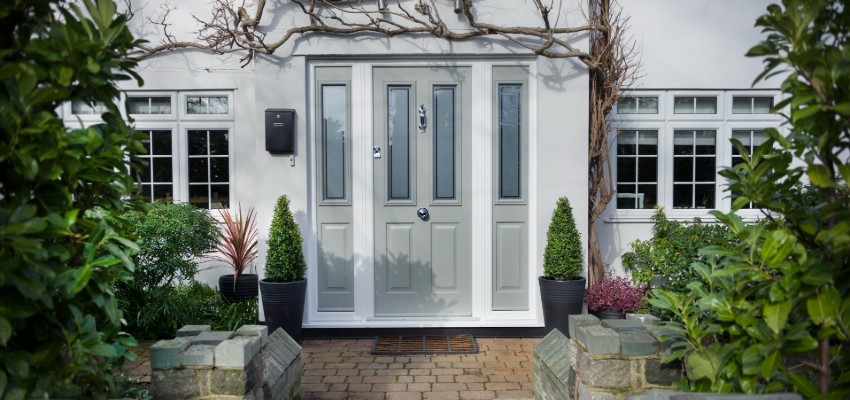
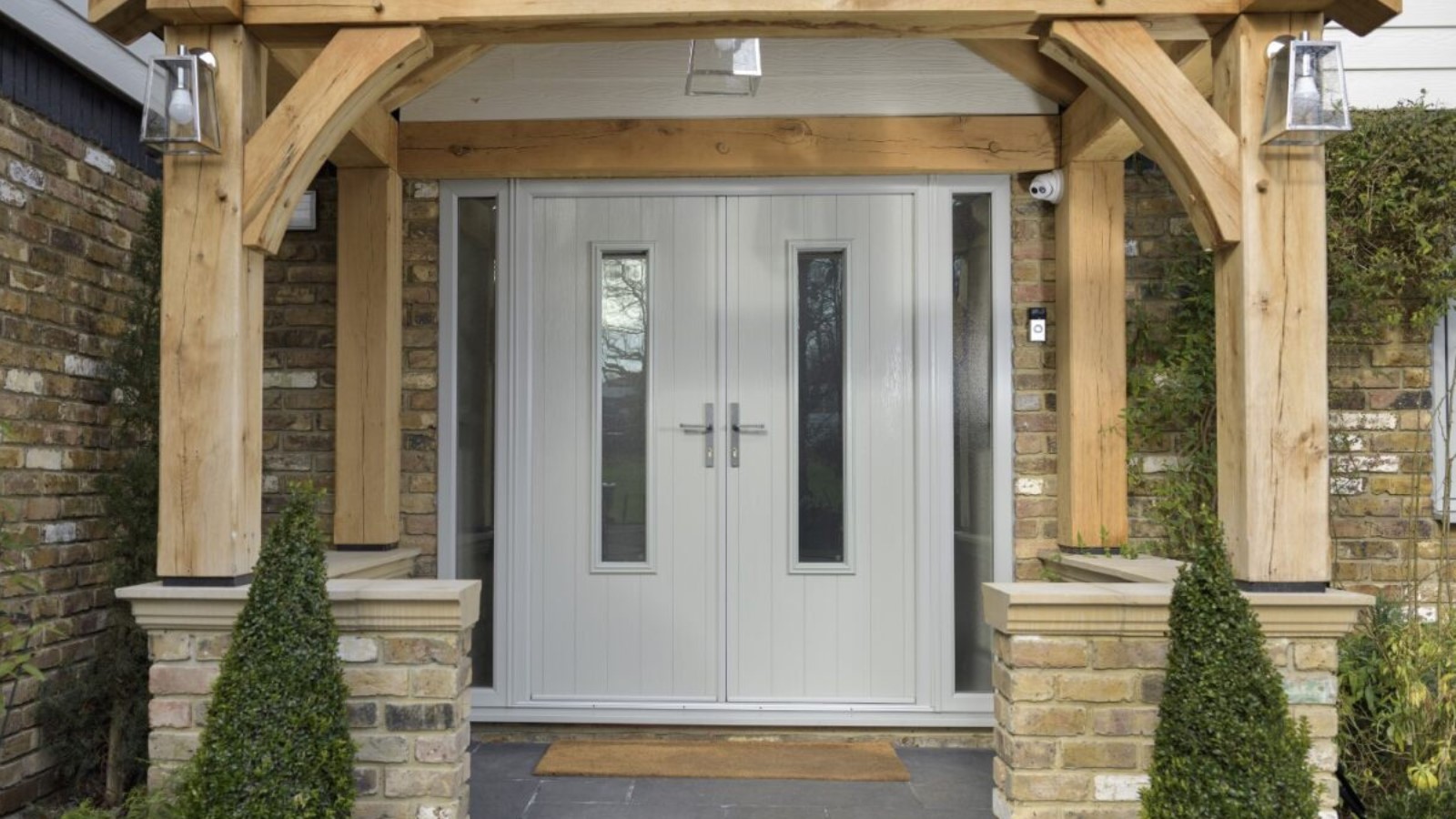
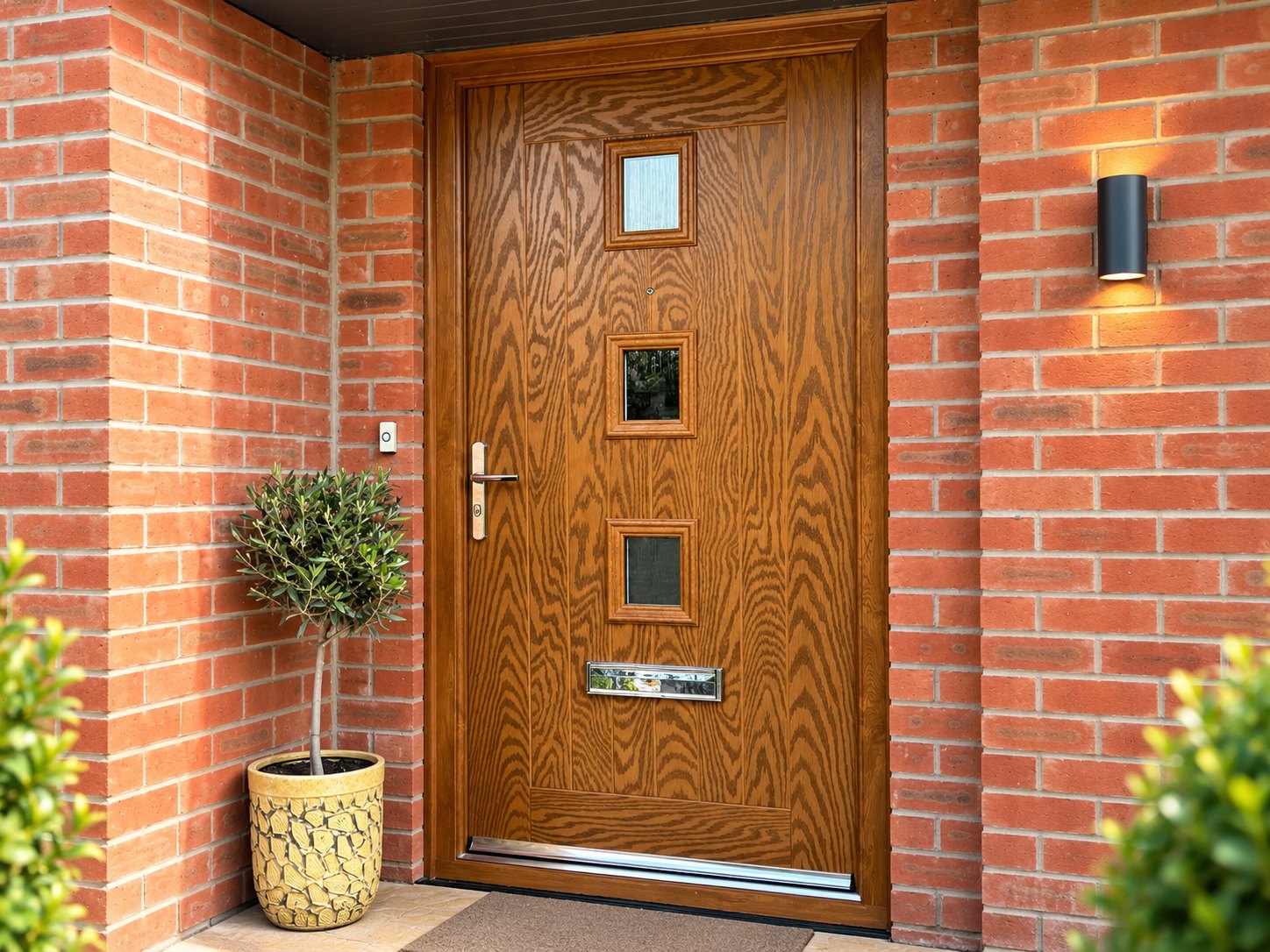
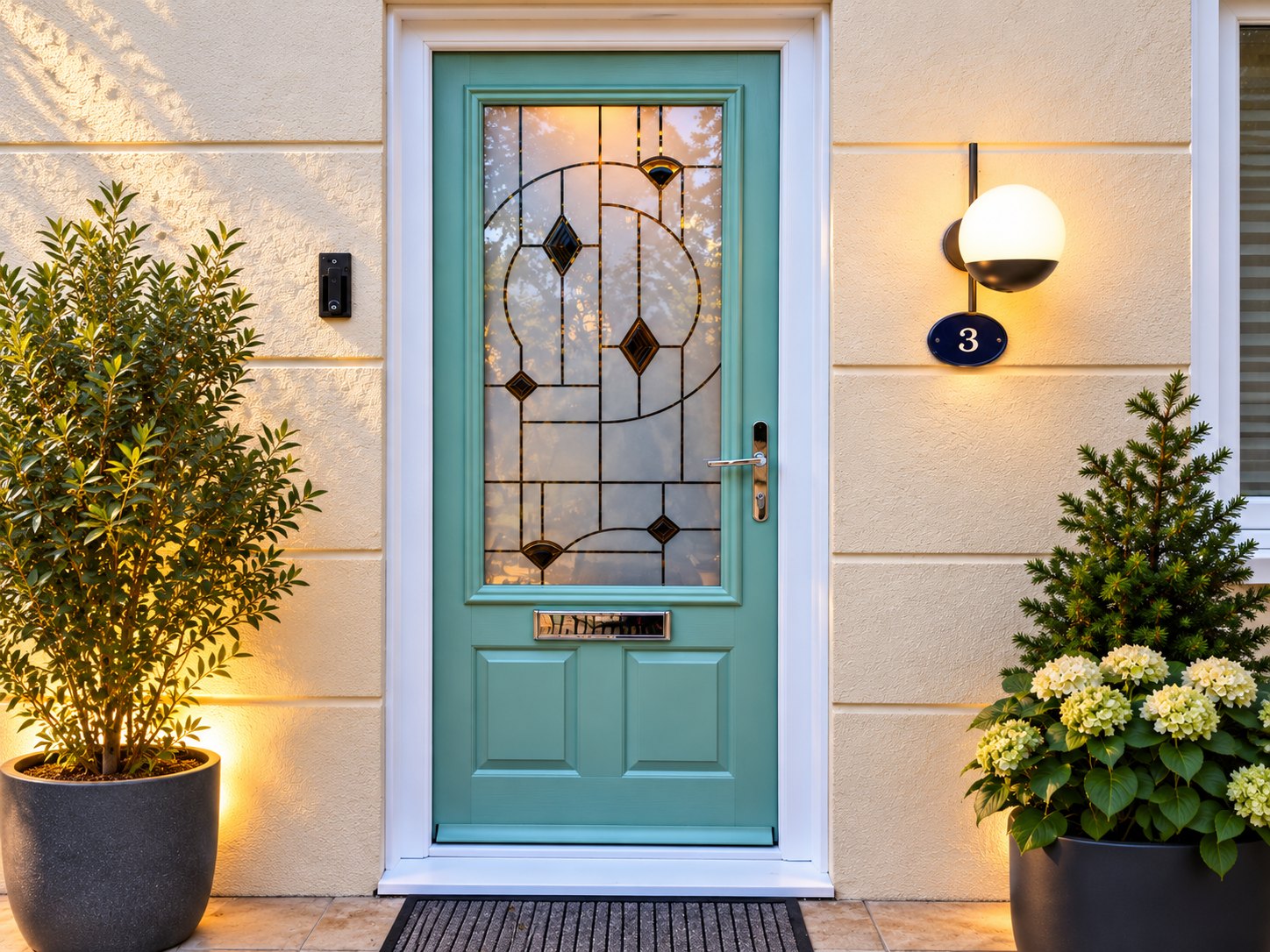
Most of the stable doors we install across the Cotswolds and the Thames Valley go on the back or the side of the house, into a kitchen, a boot room or a utility. That is where the practical benefit is felt. Cooking with the top leaf open clears steam without leaving the whole doorway wide open, and the lower leaf keeps a dog in, a toddler in and the neighbour's cat out.
Composite construction changes what the design can do. A traditional timber stable door moves with the weather, and once two leaves start to swell the meeting rail is the first thing to bind. A composite leaf on a thermally broken frame keeps its shape, so both halves keep closing cleanly and the shoot bolts keep engaging as they should. Colour-through skins mean the exposed face of a rear door that catches the weather is not repainted every few years.
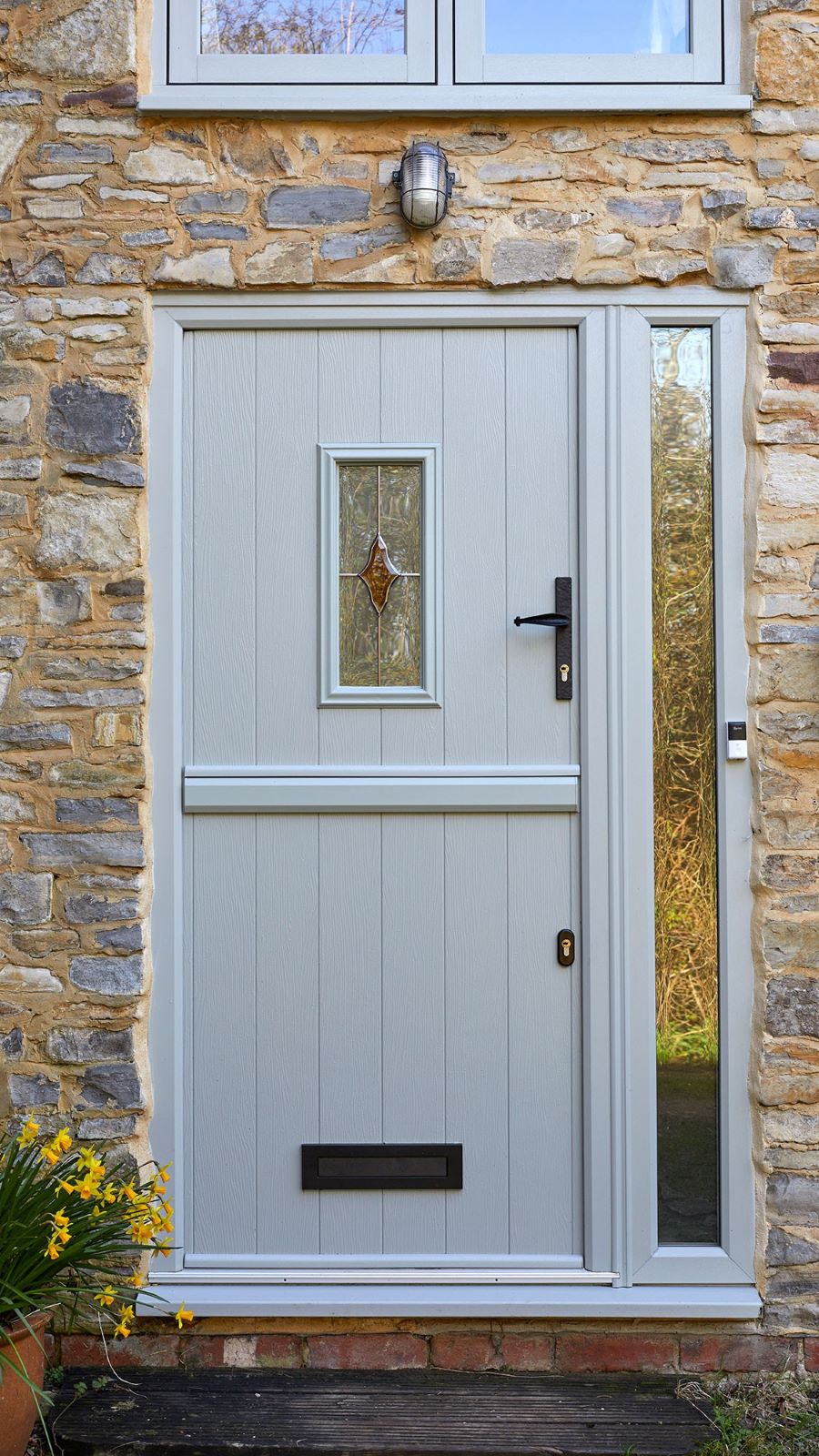
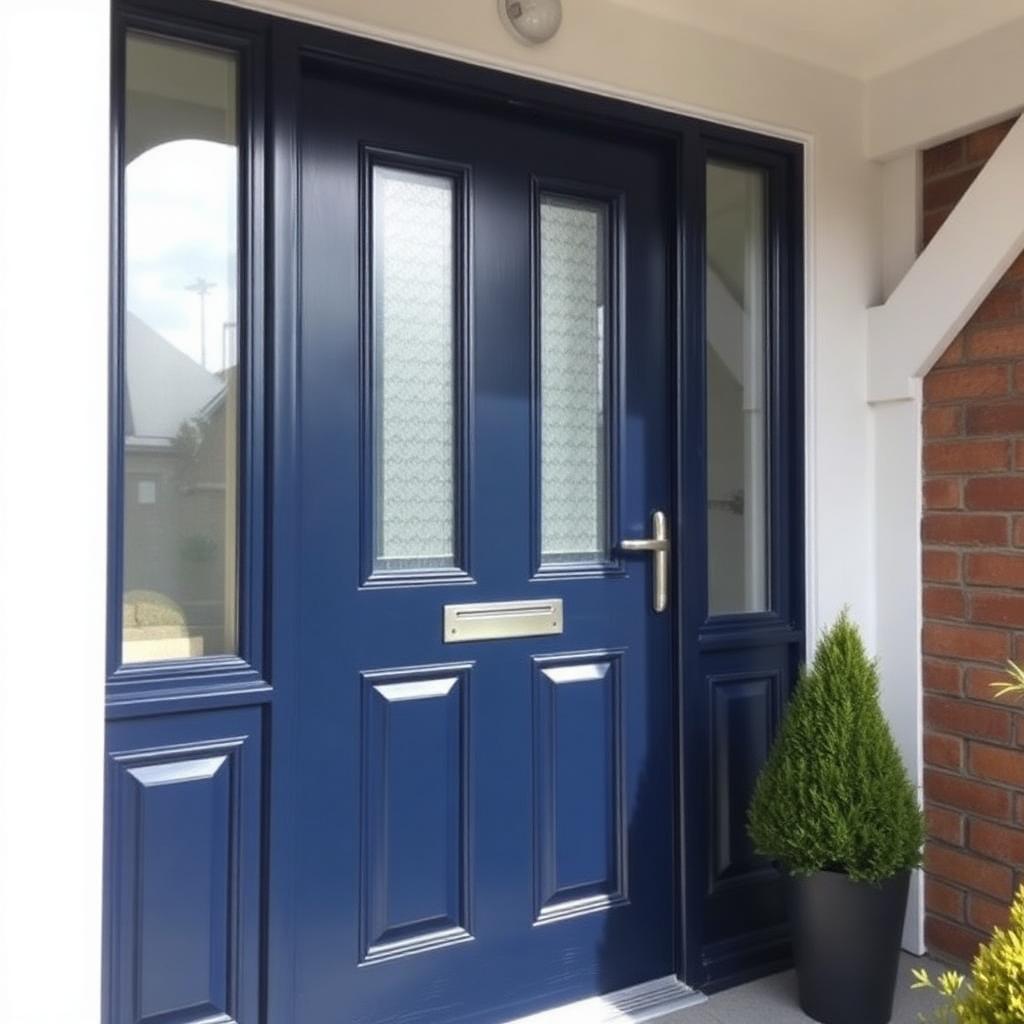
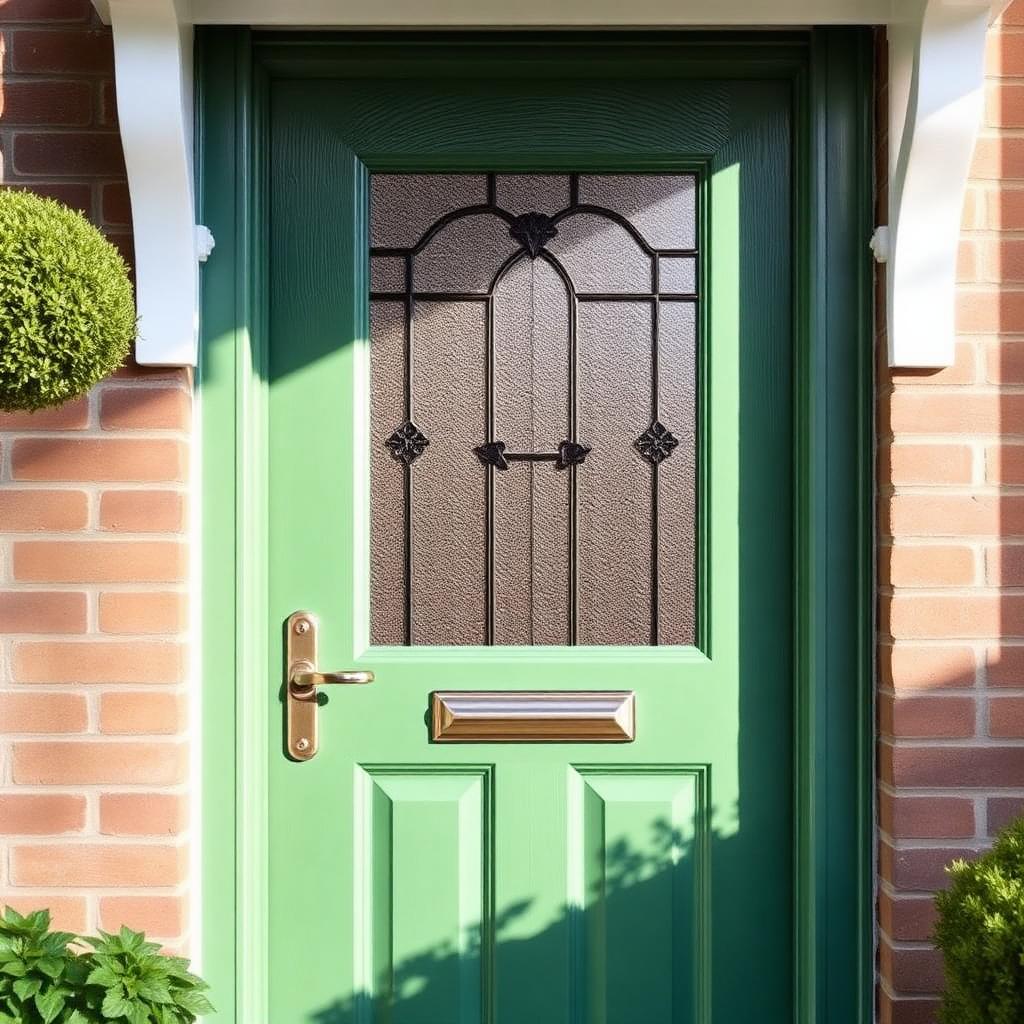
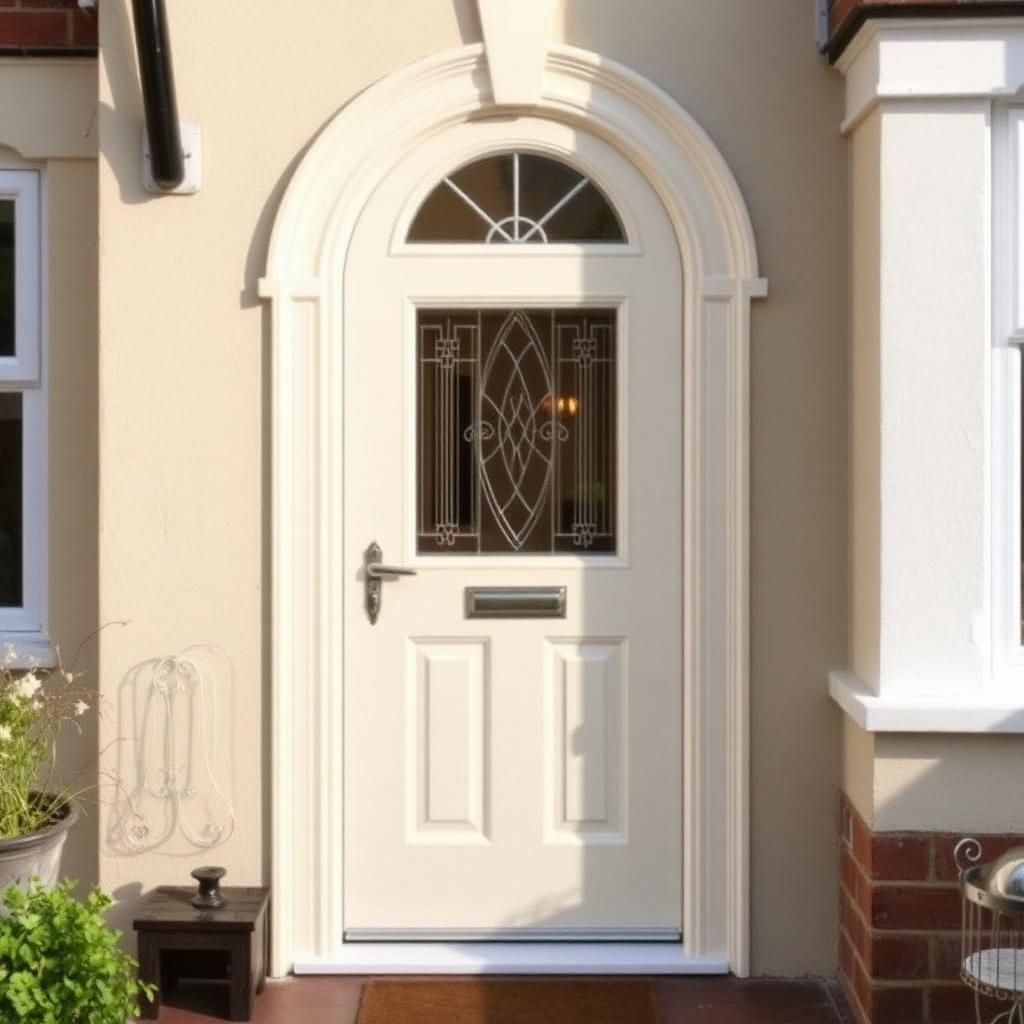
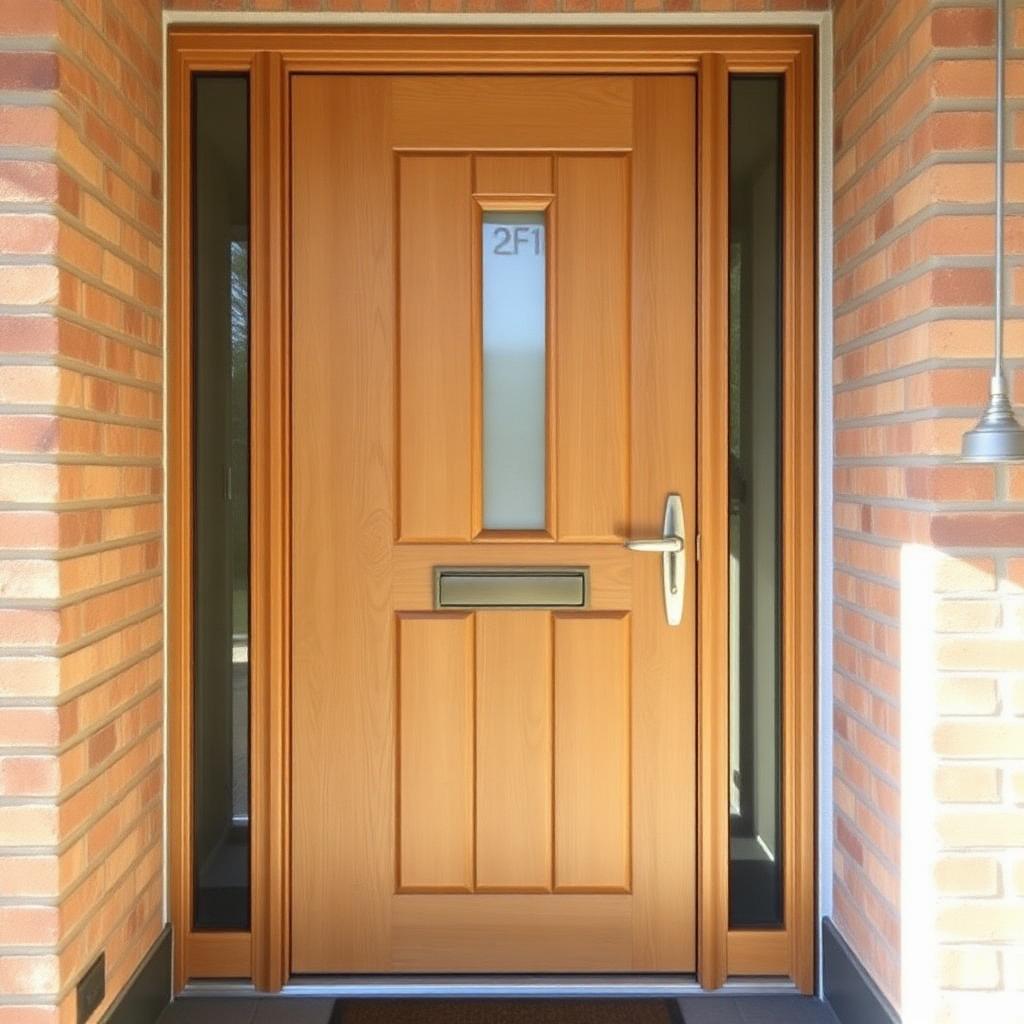
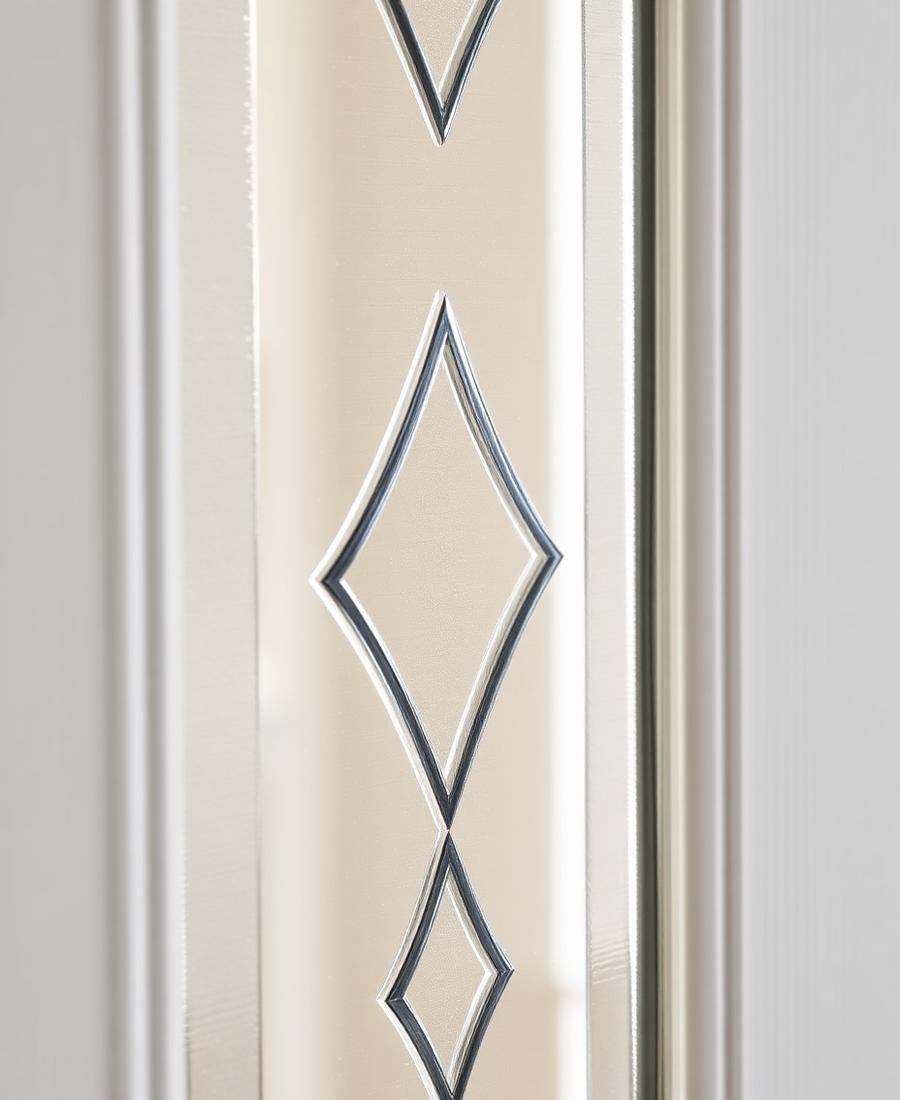
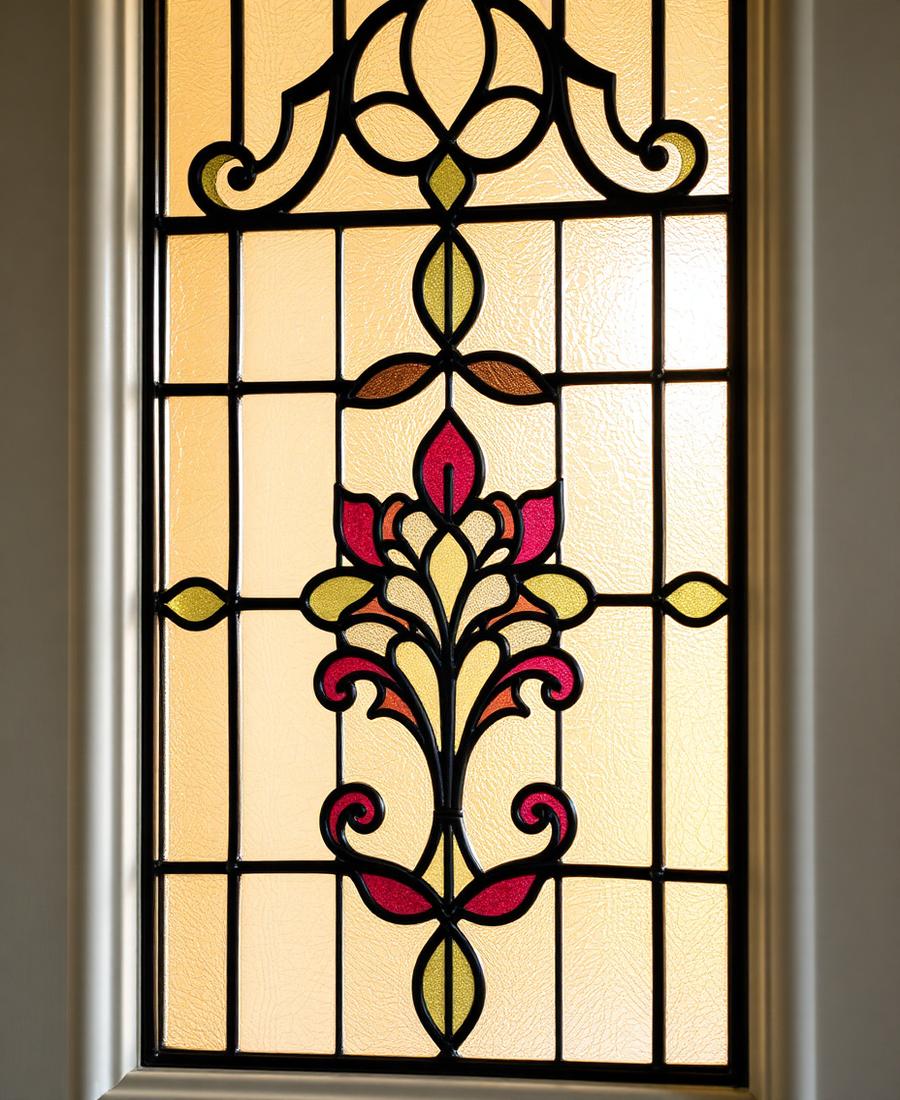
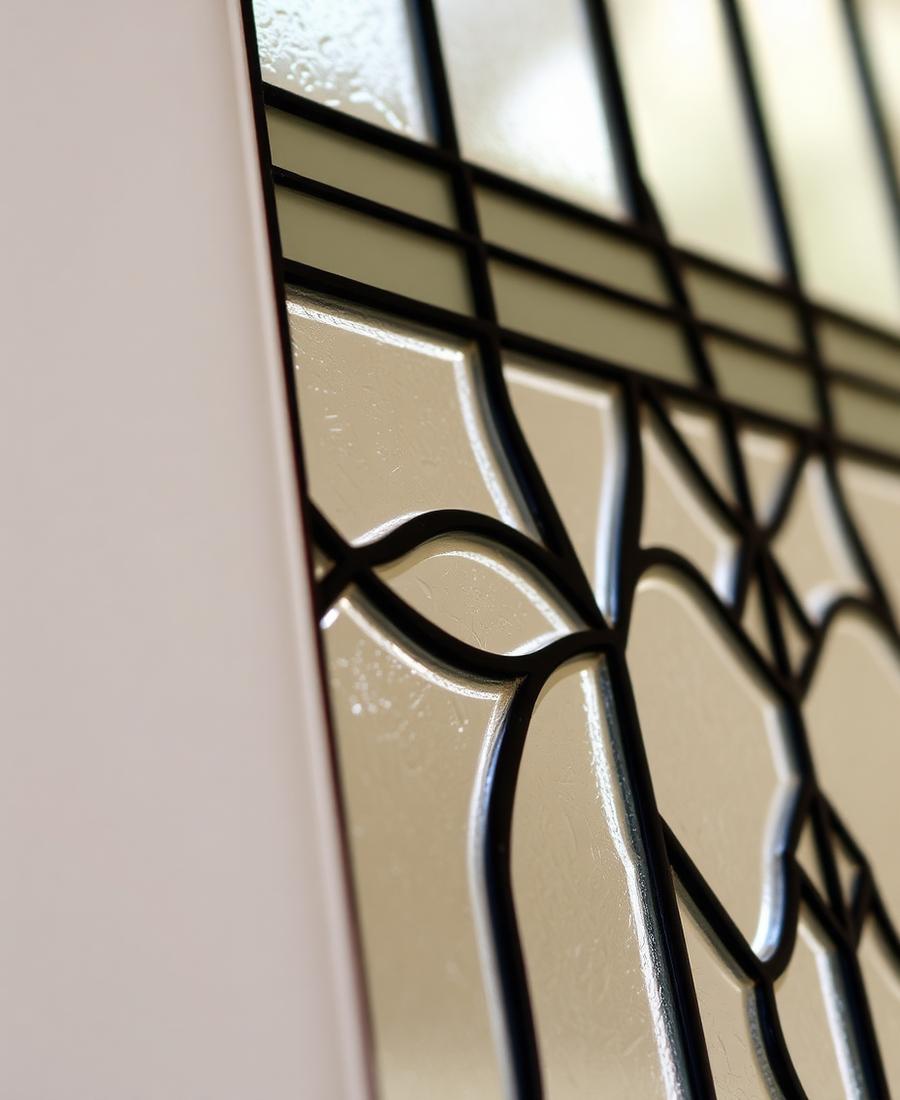
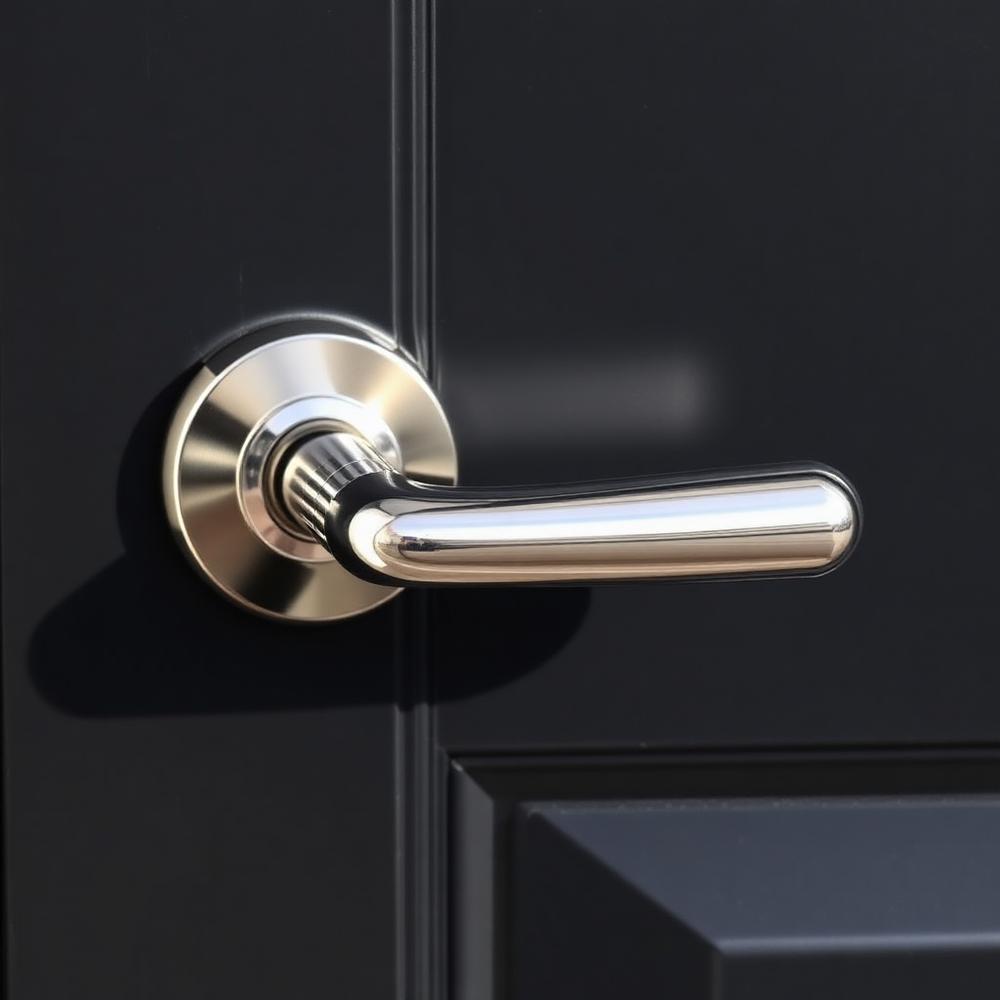
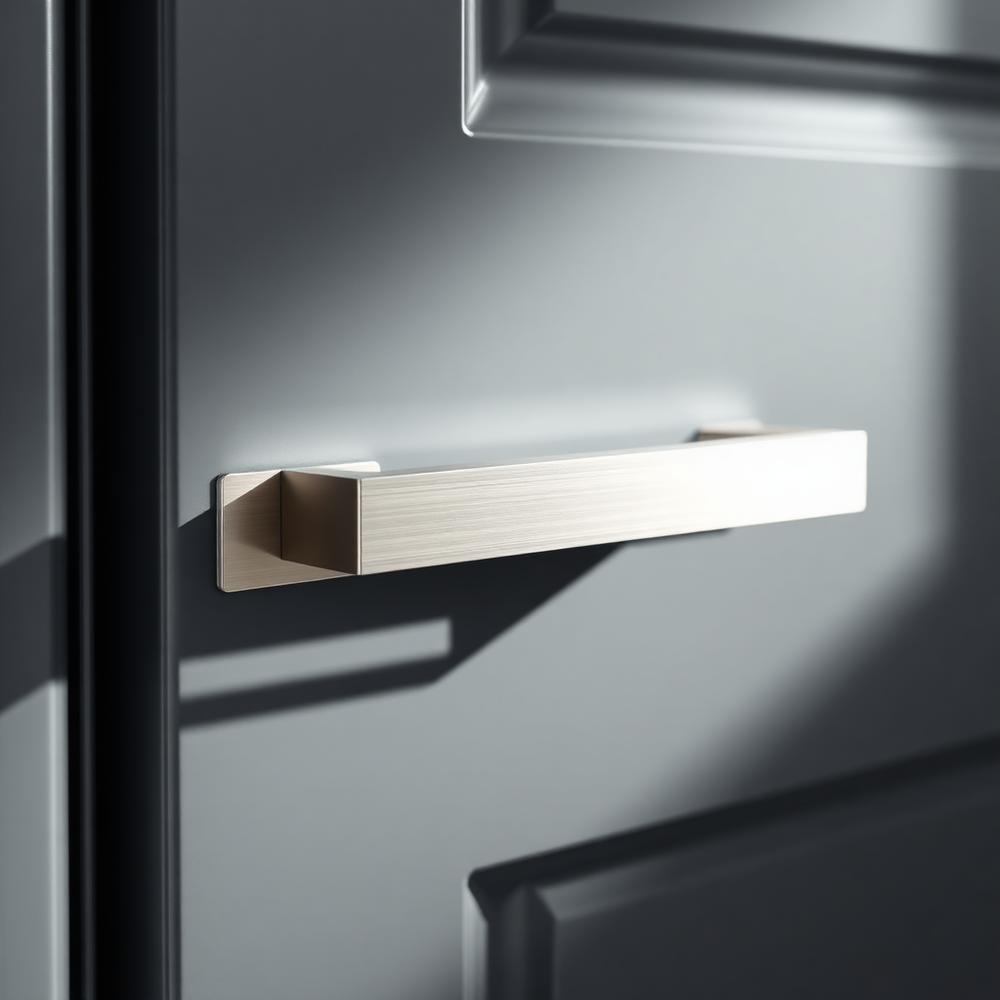
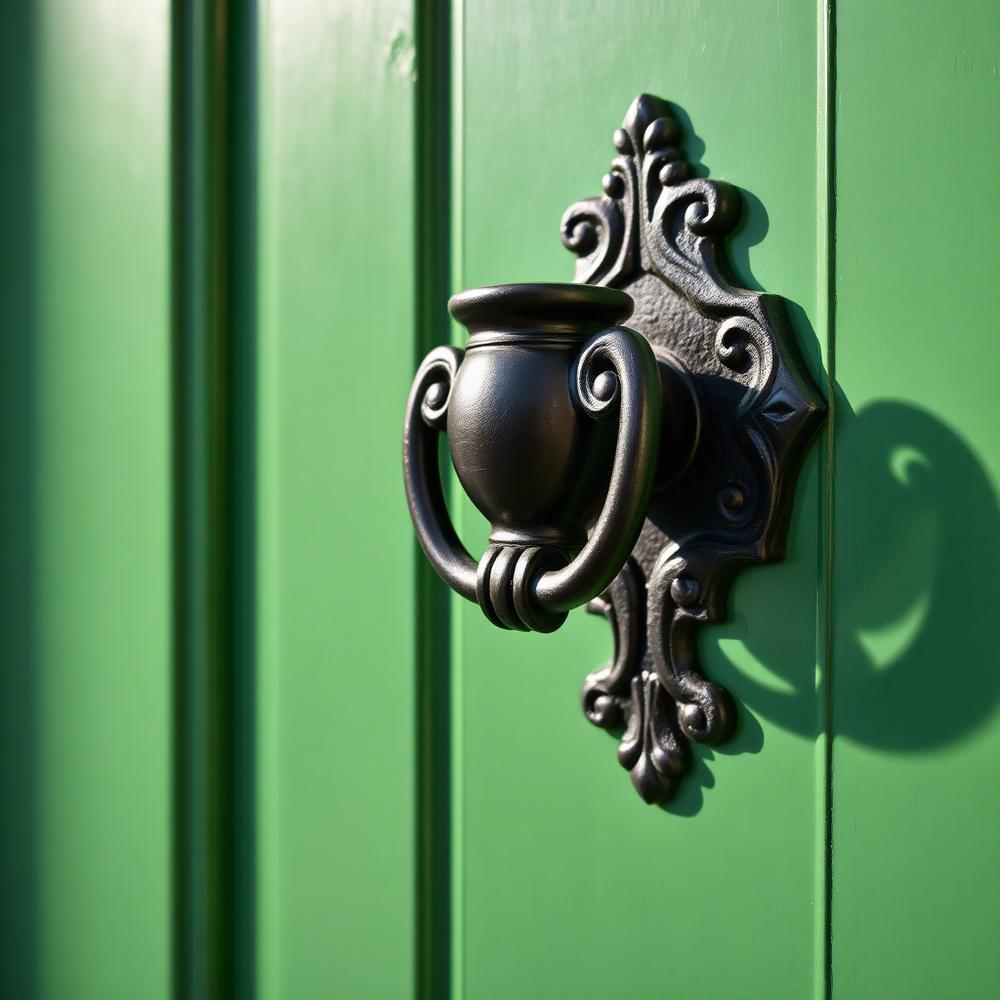
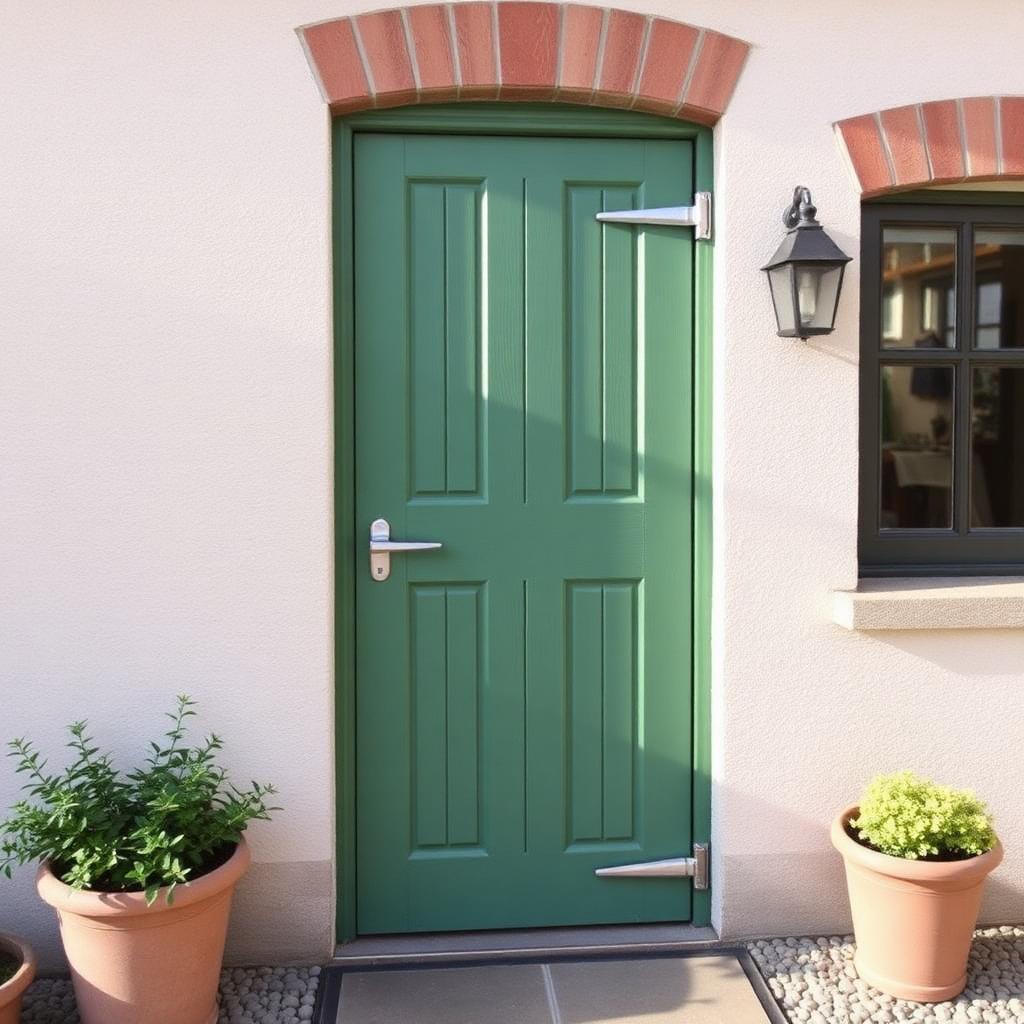
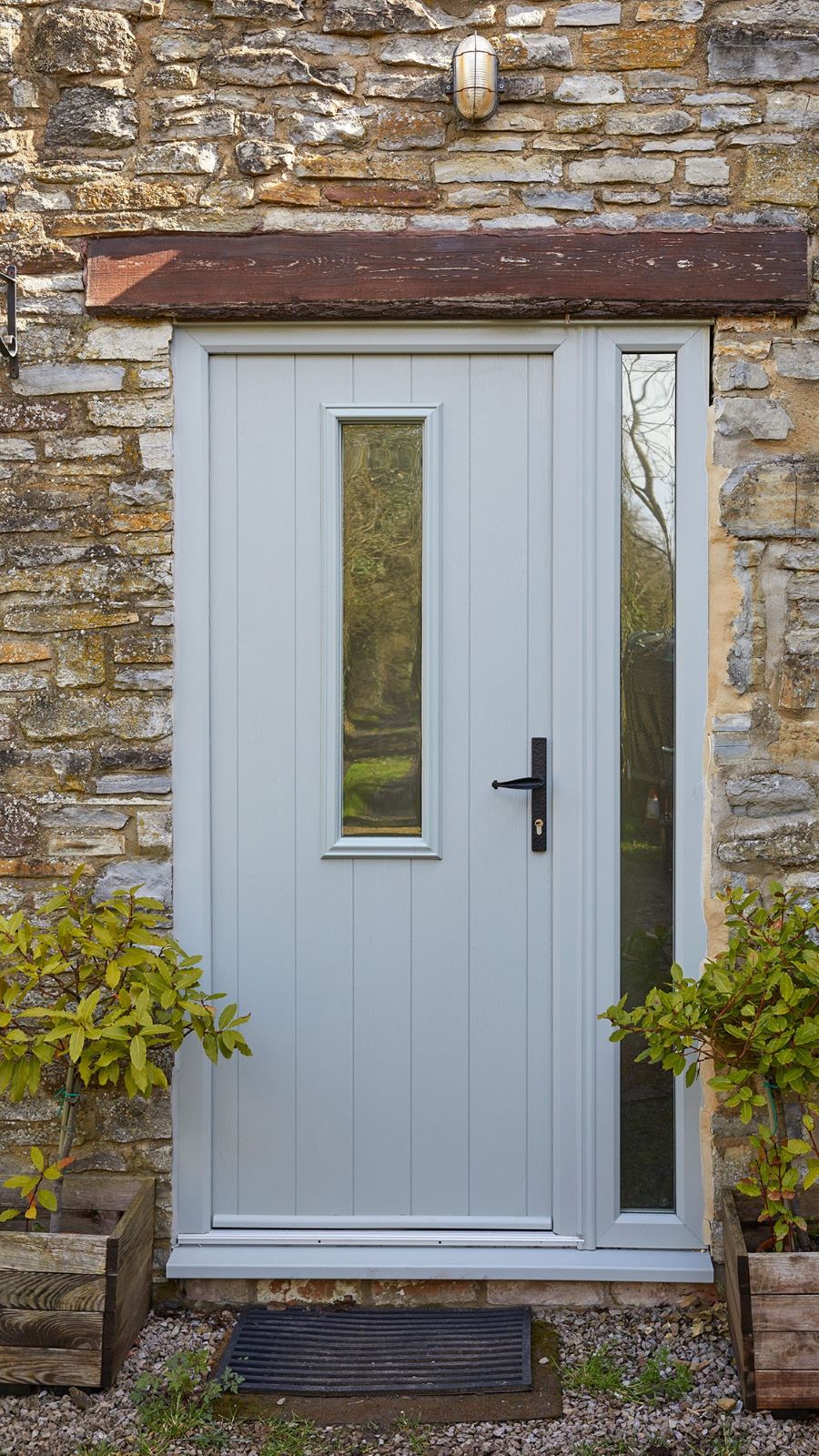
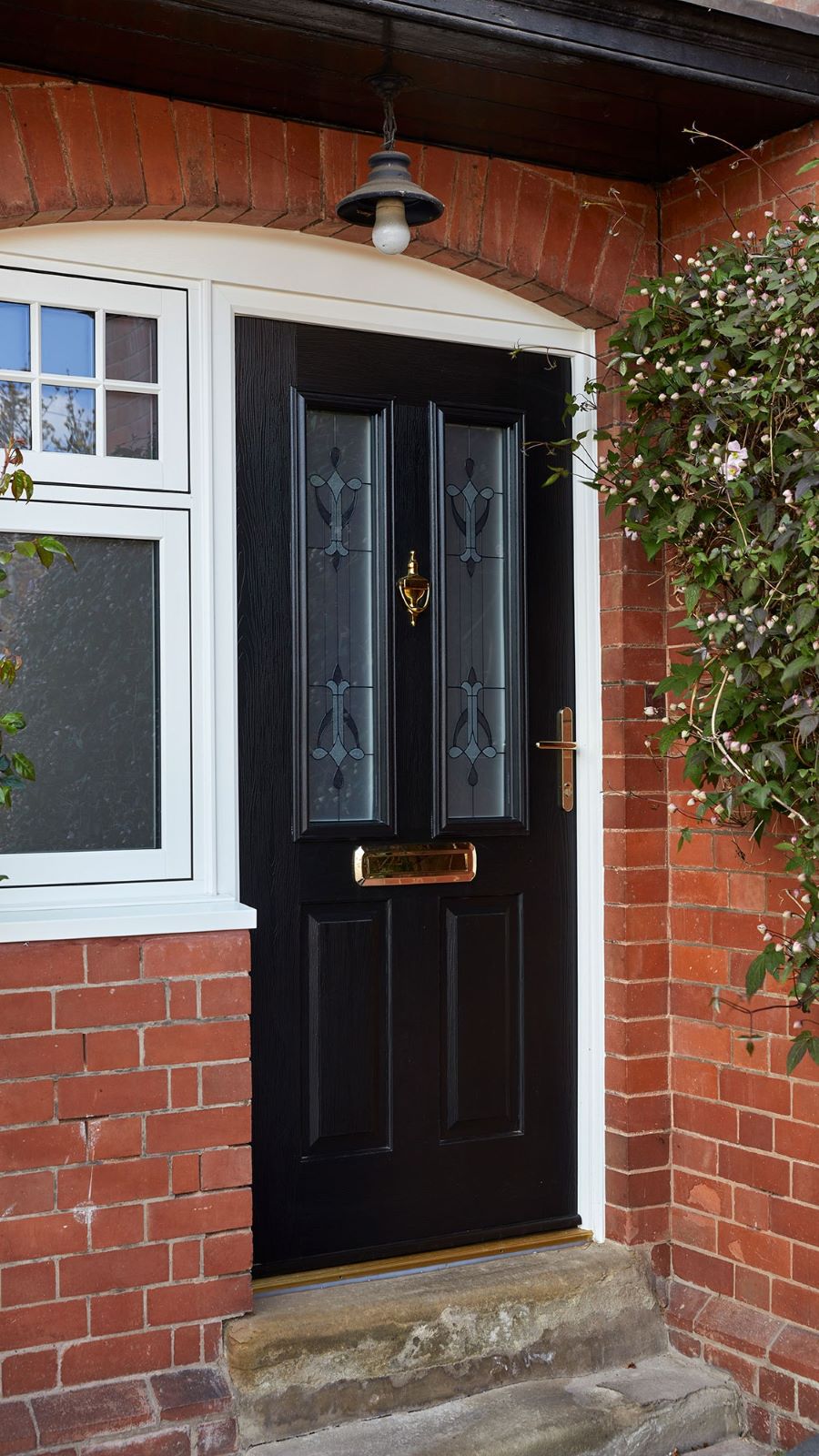
Character is retained through the detailing rather than the construction. Glazing in the upper leaf, ledged and braced or panelled moulding, a heritage green or off-white finish, and traditional ironmongery on the outer face all read as they should against stone or brick. On a barn conversion or a cottage the door usually looks as though it has always been there, which is the point.
At your free home survey we look at how the doorway is used day to day, the exposure it faces, and whether a low threshold makes sense for the way people come and go with bins, boots and shopping. Installation is by our own directly employed fitters, registered under our Assure registration, covered by an insurance-backed guarantee and our 20 Year Guarantee, and set out in a fixed written quotation beforehand.