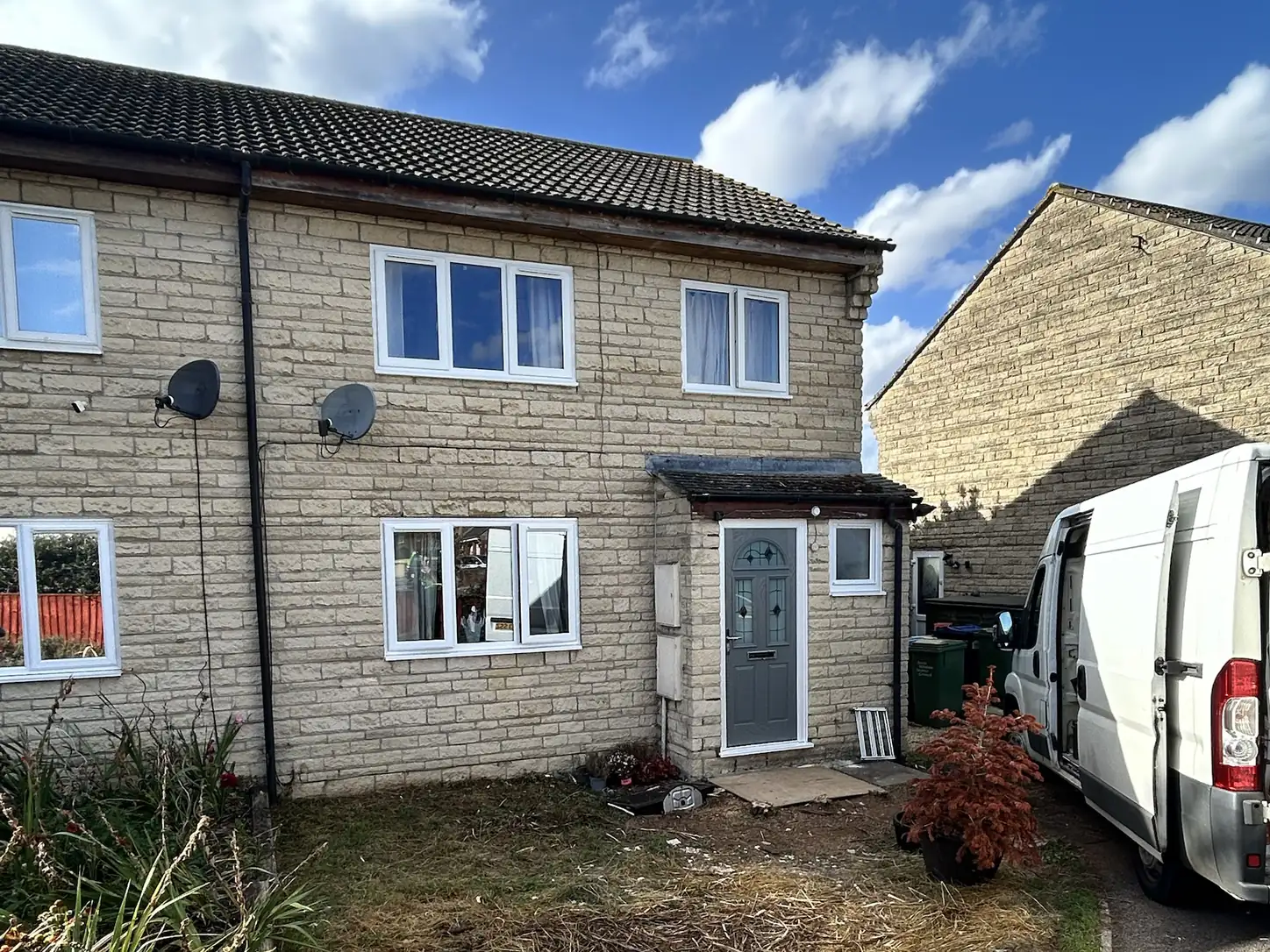
Cricklade, Wiltshire
Every window replaced, plus a new composite door
A whole-house renovation: every window replaced with white uPVC casements and a new Shadow Grey (RAL 7005) composite front door fitted beneath the porch.
View project
The glass in your windows decides how warm your rooms feel and how much of the outside world you hear. A-rated as standard, triple glazing up to A++, and acoustic glass for noisy streets.
Energy efficiency comes from the whole window working together: the sealed unit, the frame around it and the way it's fitted. Get one wrong and the other two can't make up for it.
Two or three panes sealed together with an insulating cavity between them. A low-emissivity coating on the glass reflects heat back into the room instead of letting it escape.
Our PVCu frames are multi-chambered and steel-reinforced, trapping still air inside the profile so the frame insulates rather than conducts. A good unit in a poor frame is still a cold window.
Draughts around a badly sealed frame undo good glass. We fit every window square, packed, fixed and sealed inside and out so warm air stays where you paid to heat it.
A Window Energy Rating scores the complete window, so you can compare like with like.
The rating weighs up three things: how much heat escapes through the glass and frame, how much free warmth the window lets in from the sun, and how much is lost through air leakage. The result is a single band, with A++ at the top.
The U-value is part of that picture. It measures how quickly heat passes through the window, in W/m²K, and lower is better. In England, replacement windows must reach a U-value of 1.4 W/m²K or a band B rating to meet Building Regulations.
Every Thames Frames window is A-rated as standard, comfortably beyond that minimum, with A+ and A++ triple glazing for homes where warmth matters most.
Every window starts with an A-rated double-glazed unit. Upgrade to triple glazing for even warmer rooms, or choose a decorative obscure glass for bathrooms, landings and hallways.
28mm sealed unit
36mm sealed unit
40mm sealed unit
Fourteen patterns give privacy while still letting the light in. We bring samples to your survey.
Ordinary double glazing already cuts noise compared with single glazing, but it isn't built for it. Acoustic glazing is designed around the noise itself.
Two sheets of glass bonded to a special acoustic interlayer. The interlayer damps the vibration that carries sound through the pane, which is what plain glass is poor at.
Two panes of the same thickness resonate at the same frequency and let it through. Pairing different thicknesses means each pane blocks what the other lets in.
Sound gets through gaps far more easily than through glass. Gaskets, multi-point locks that pull the sash tight, and a properly sealed installation matter as much as the unit.
Every 10 decibels of extra sound reduction makes noise sound roughly half as loud to the human ear.
A typical standard double-glazed unit is rated around Rw 31 dB. Acoustic laminated build-ups commonly reach the high 30s to 40s, depending on the glass chosen.
It's a common assumption that triple glazing is the answer to everything. It isn't, and we'd rather tell you that at survey than sell you the wrong upgrade.
A third pane and second cavity slow heat loss further and keep the inner pane warmer. It suits exposed, north-facing and rarely sunny rooms. Units are heavier and let in slightly less sunlight.
Against traffic and engine noise, the type and thickness of the glass matters more than the number of panes. Acoustic laminated double glazing often beats an ordinary triple unit for sound. If you want both, the two can be combined.
Most homes don't need the same glass in every window. At survey we look at each opening and what it faces.
Acoustic laminated double glazing, with mismatched pane thicknesses, in a tightly sealed frame. This targets traffic rumble and engine noise where standard units struggle most.
Triple glazing keeps the inner pane warmer, so the room feels warmer near the window and condensation is less likely on cold mornings.
Laminated glass stays held together by its interlayer if it is broken, so it adds security as well as cutting noise.
Obscure glass in any of fourteen patterns, combined with whichever energy or acoustic specification the room needs.
Choosing a window style too? See our casement, flush casement and sliding sash windows, or colours and finishes.
Genuine projects completed for homeowners across our service area.
A whole-house renovation: every window replaced with white uPVC casements and a new Shadow Grey (RAL 7005) composite front door fitted beneath the porch.
View project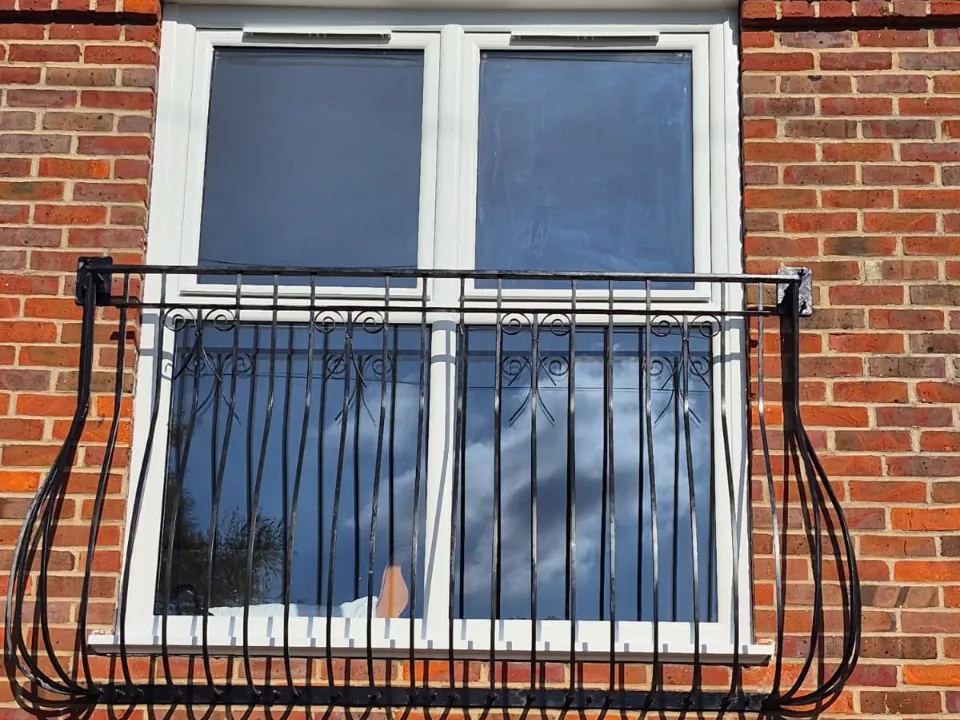
First-floor French doors behind a Juliet balcony replaced with a white tilt and turn window, for easy, secure ventilation without leaving doors ajar.
View project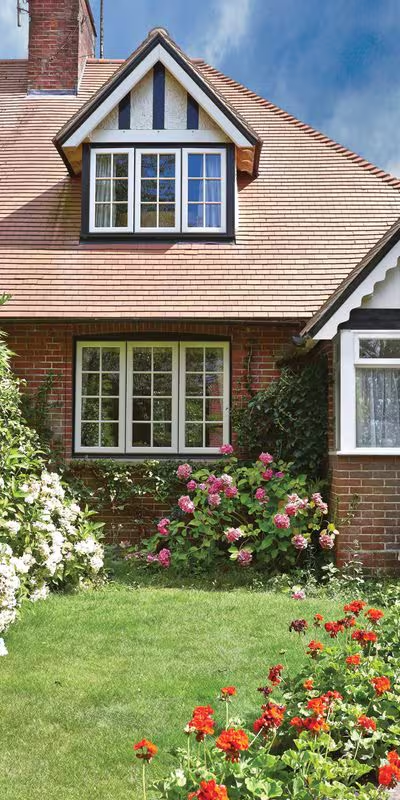
A full replacement of tired timber casements on a Georgian family home: matched sightlines, A-rated glazing and a beautifully preserved elevation.
Book a free home survey. We'll look at every window, what it faces and what you can hear, and recommend glass that's worth paying for.
Share a few details and a window specialist will be in touch within one working day. No pressure, no pushy sales.
Arrange a complimentary home survey at a time that suits you. We listen carefully, measure precisely and recommend the products best suited to your property.