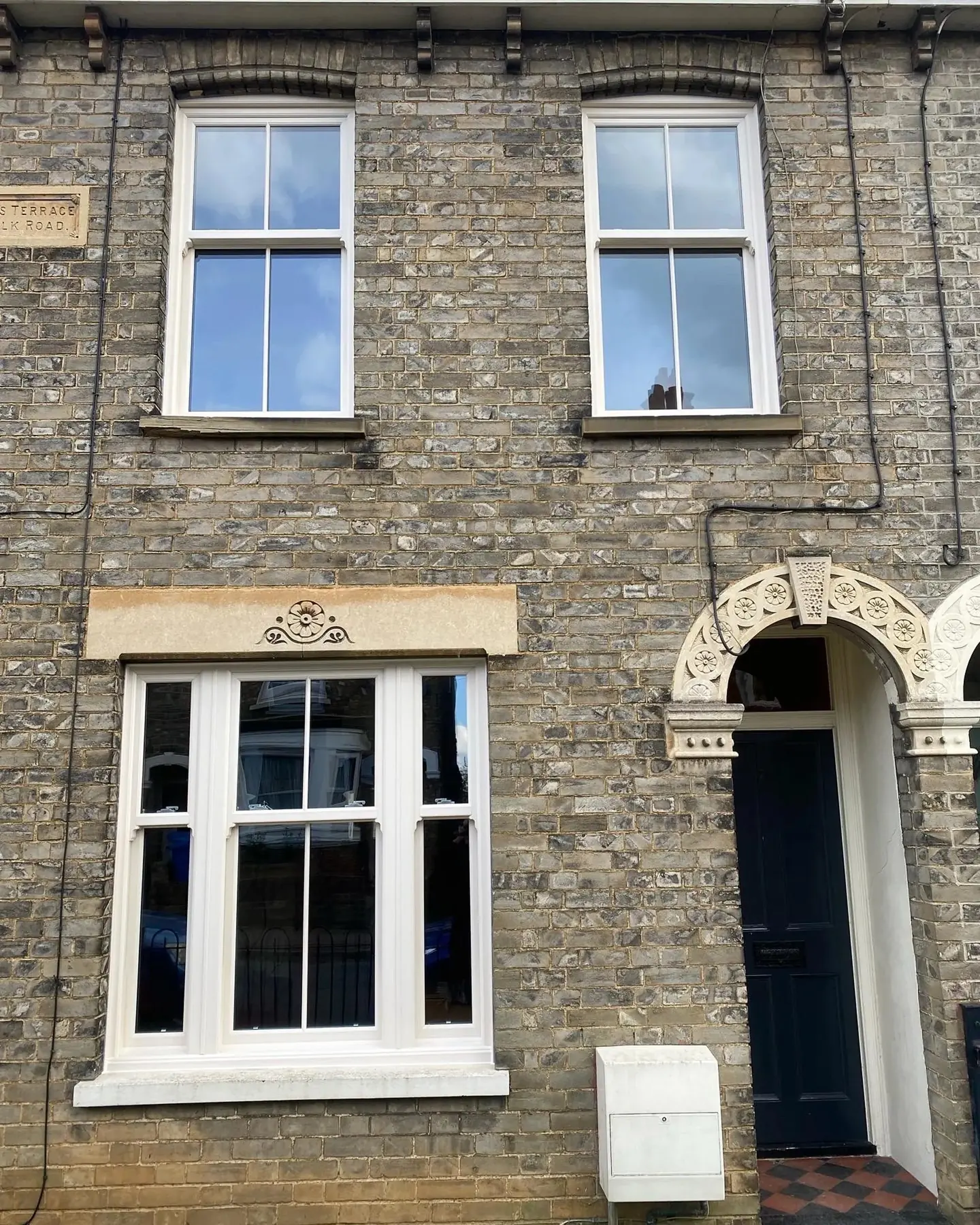
Sash Windows in Conservation Areas
Many of the towns and villages we work in have conservation areas. Here's what that means for your windows, and how we help you prepare.
- Made to Measure
- A+ Energy Rated
- PAS 24 Security
- Directly Employed Installers
- 20 Year Guarantee
Why the rules are different.
A conservation area protects the character of a whole street or village, not just individual buildings. Windows matter more than almost anything else to that character, which is why councils take a close interest in them.
Across the Cotswolds and the Thames Valley, the centres of towns such as Cirencester, Marlborough, Burford and Woodstock, and many smaller villages, are conservation areas. In some of them the council has also made an Article 4 direction, which brings window replacement under planning control even where it would otherwise be allowed.
The rules vary from council to council and street to street, so the first step is always to check with your local planning authority. What doesn't vary is what conservation officers look for: windows that respect the proportions and detailing of the originals.
The details a conservation officer checks.
These are the points councils most often raise about replacement sash windows. Every one of them can be specified on our windows.
Proportions
The size and shape of each pane and sash, and the balance across the whole elevation.
Frame thickness
Sightlines close to the original timber sections, not heavy modern frames.
Glazing bars
The right pattern for the age of the house, ideally as astragal bars with a real shadow line.
Finish
A colour and texture that suits the street, such as woodgrain or a heritage shade, rather than glossy white.
Hardware
Period-style locks, lifts and pole eyes in a suitable finish.
Horns, joints and rails
Run-through horns where the originals had them, straight joints and a deep bottom rail.
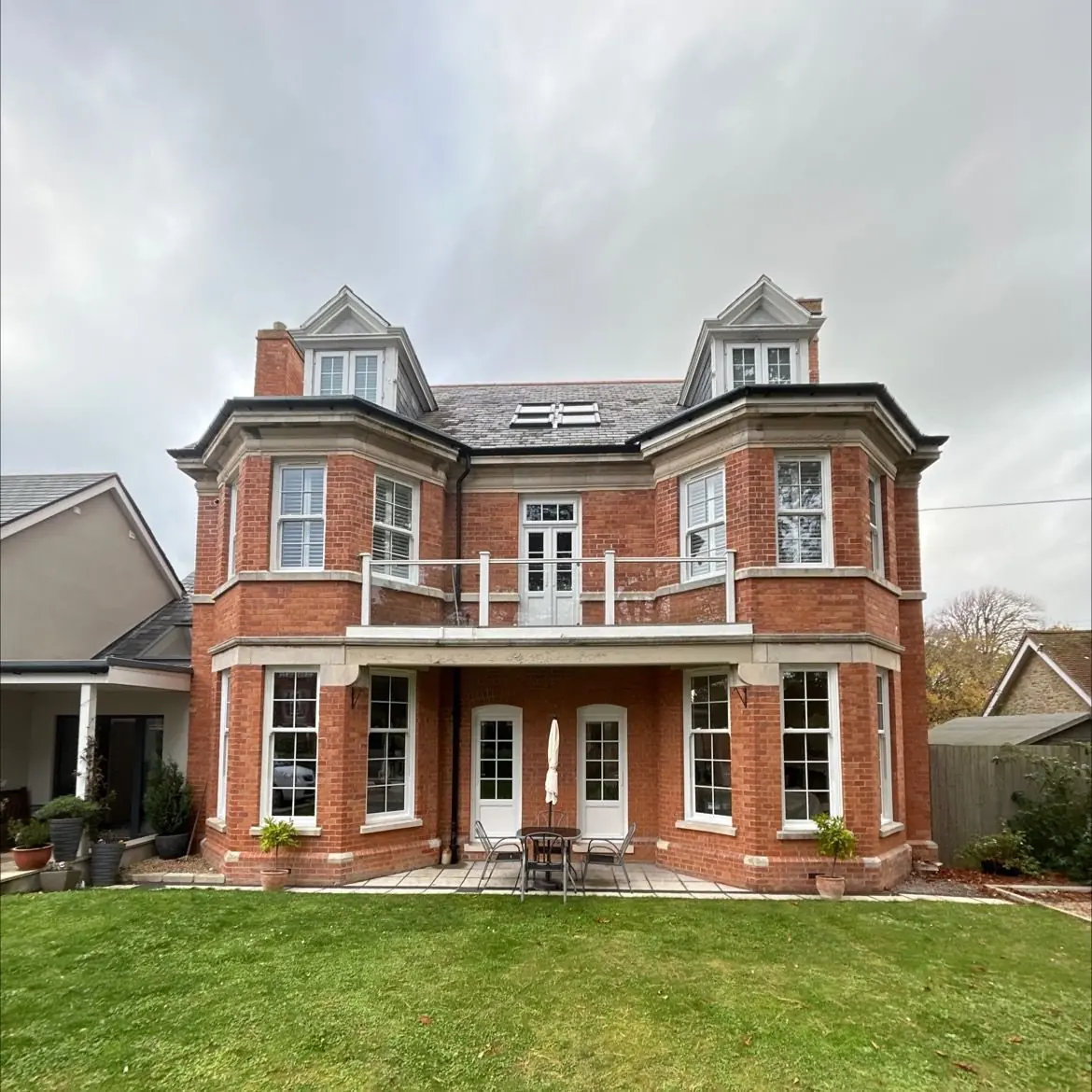
Sash windows that suit the street.
Photographs show the sash range we install, on homes across the UK. For our own work, see our recent projects.
Five steps to a stronger application.
If your windows need consent, a clear, well-evidenced application gives you the best chance. We can supply the drawings, specifications and samples.
- 1
Talk to the council early
Contact your local planning authority, or its conservation officer, before you commit to anything. Many councils publish guidance for each conservation area.
- 2
Record what's there
Photograph the existing windows, inside and out, and note their pattern, horns and rail depths.
- 3
Show what's proposed
Include drawings and specifications of the new windows, and explain how they match the originals.
- 4
Explain the benefits
Set out the improvement in thermal performance and comfort, which councils increasingly take into account.
- 5
Offer samples
Provide technical details and offer a sample or a corner section, so the officer can see the finish and profile.
This page is general guidance, not planning advice. Planning decisions are made by your local authority, and requirements differ between councils and conservation areas.
Explore sliding sash windows.
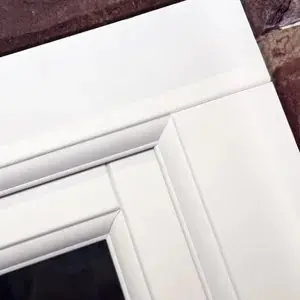
Heritage Details
Timber-look joints, a deep bottom rail and run-through horns.
Read more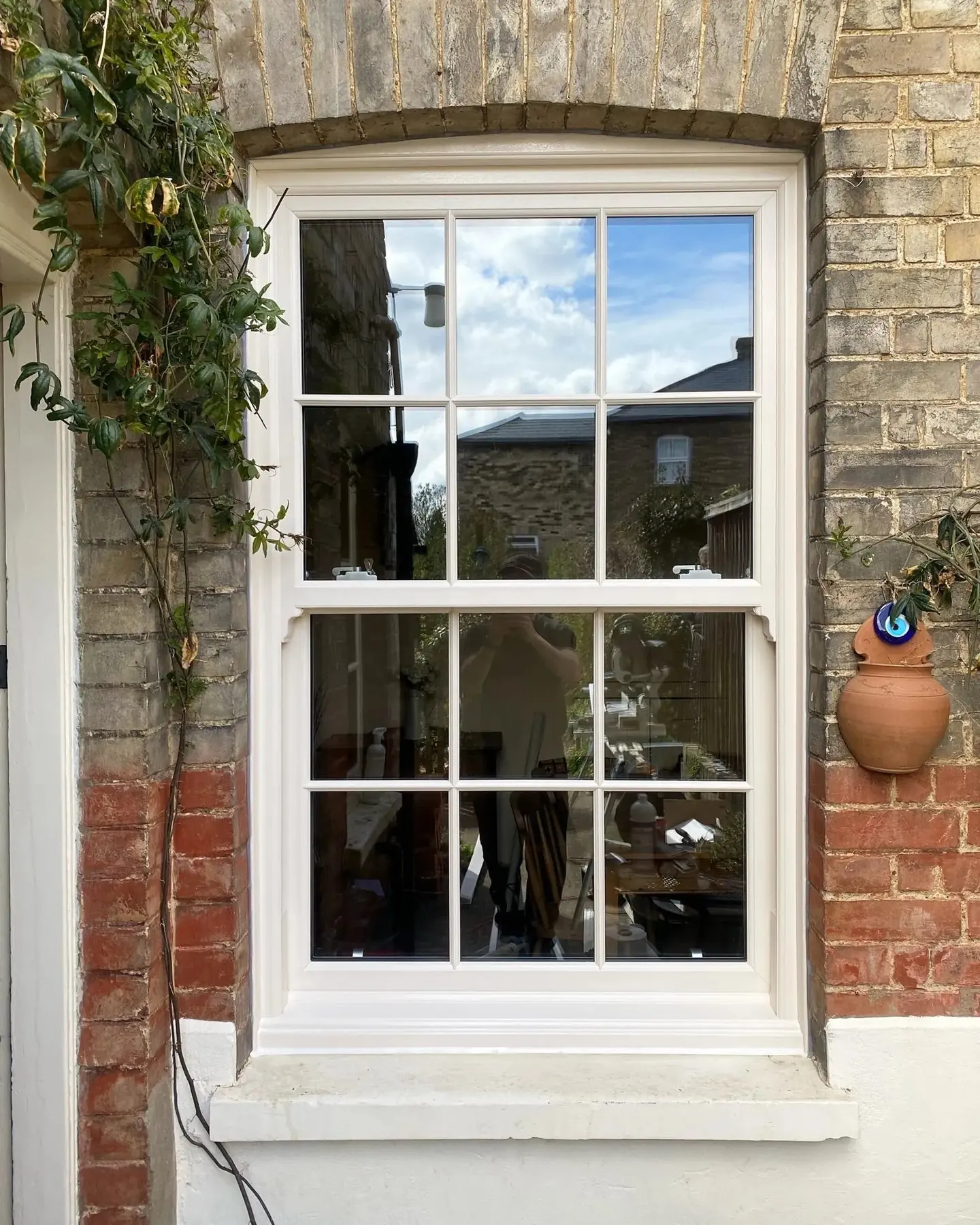
Georgian & Astragal Bars
Which glazing pattern belongs on which house.
Read more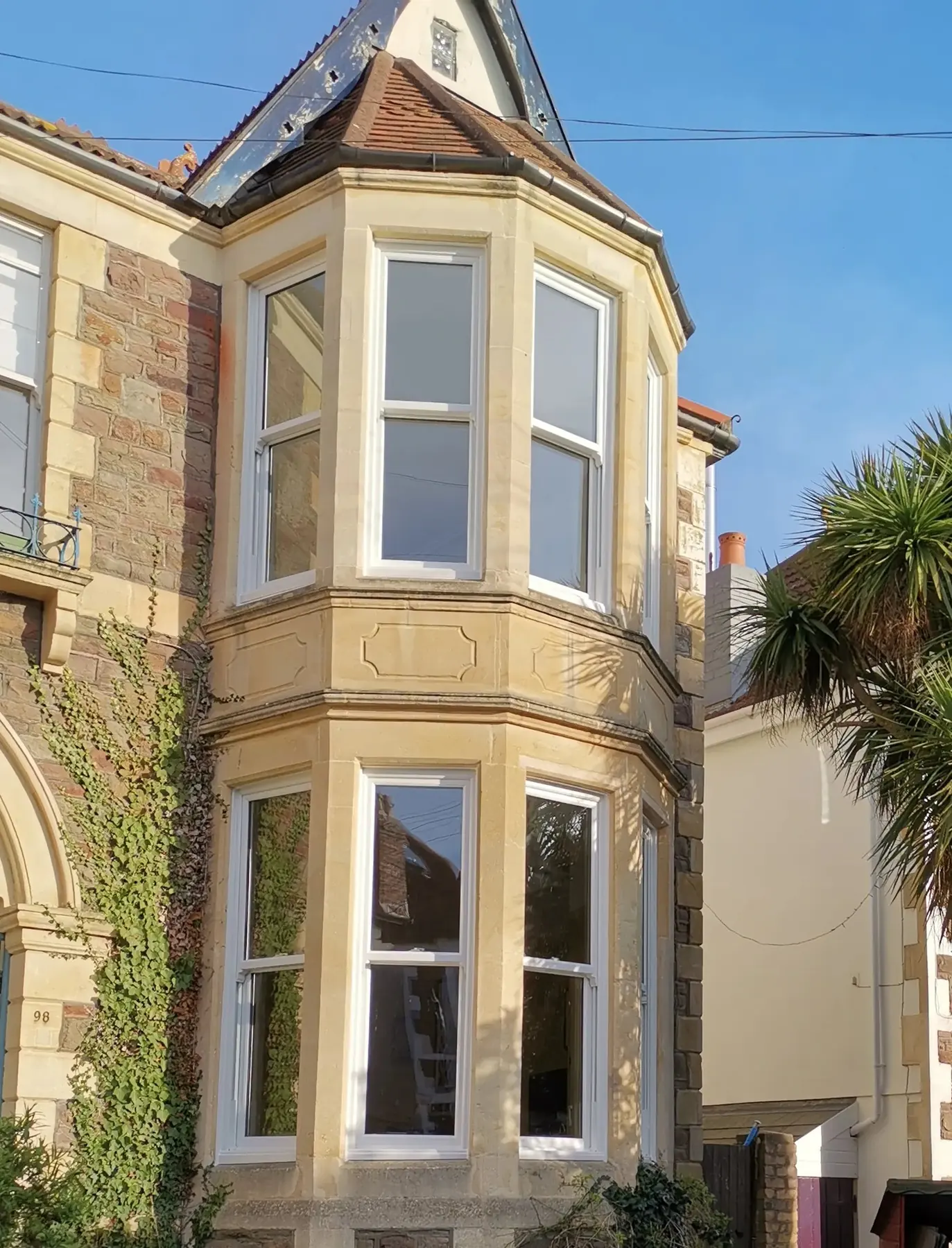
Sash Bay Windows
Splayed and box bays in three and five parts.
Read more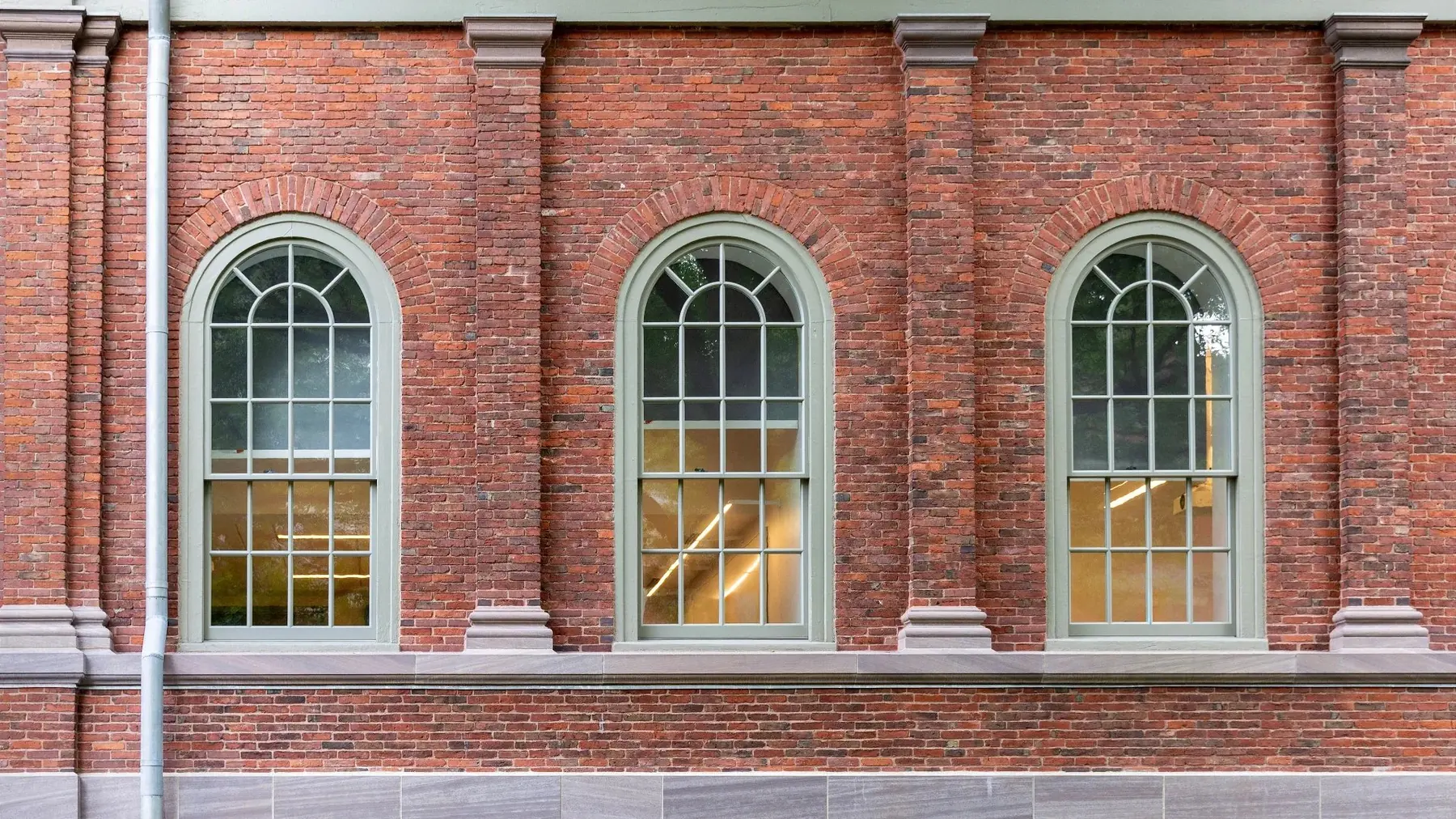
Arched Sash Windows
Swept, true and gothic heads, made to the curve.
Read more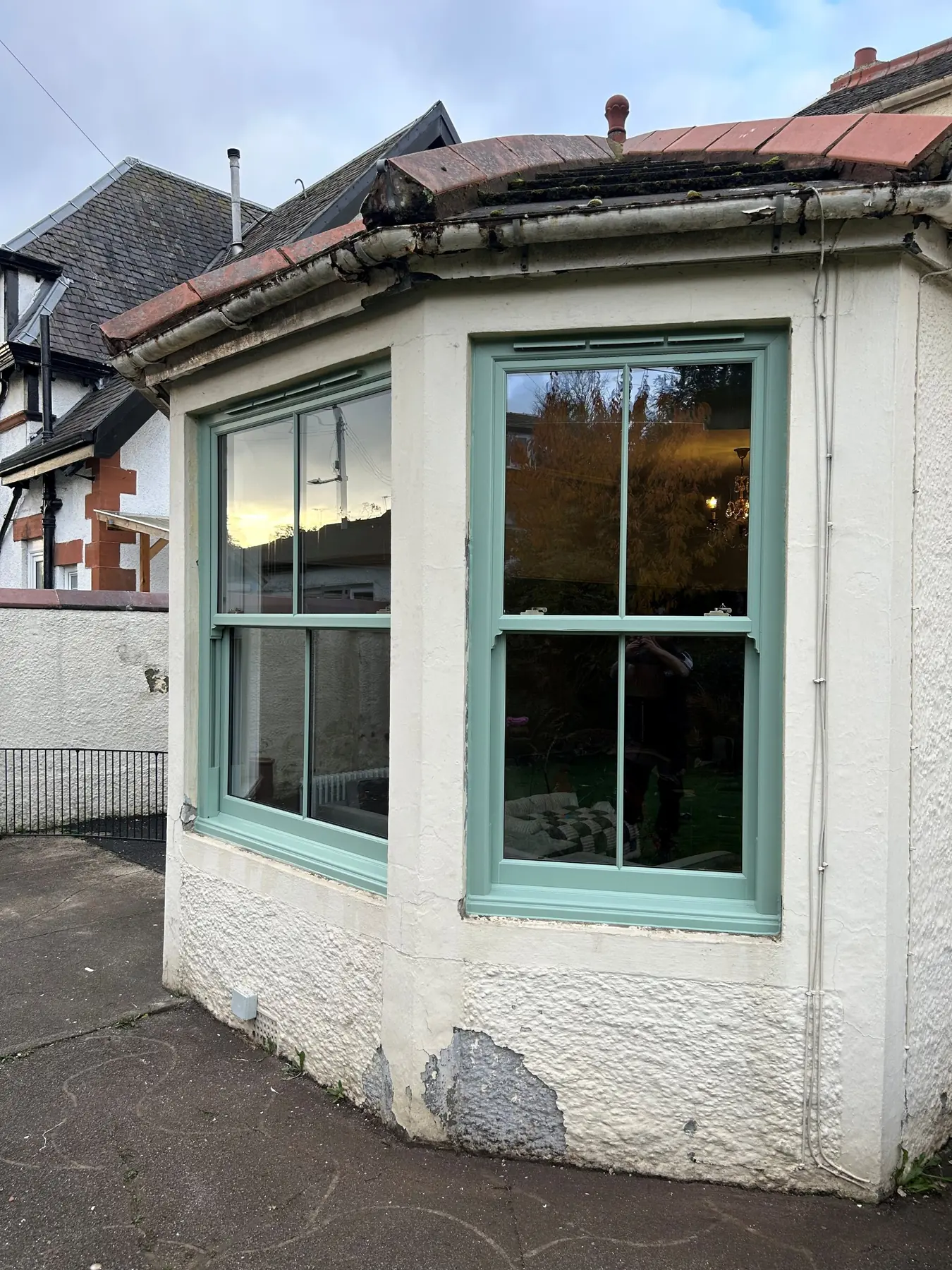
Colours & Hardware
Thirteen finishes, any colour sprayed to order, and eight hardware finishes.
Read moreConservation areas: your questions answered.
Talk to Us About Your Conservation Area Home
We'll look at your existing windows, measure every opening individually, bring real colour, glass and hardware samples, and give you a fixed written quotation with no pressure.
- Free, no-obligation home survey
- Every opening measured individually
- Fixed written quotation
- Directly employed installers
Share a few details and a member of our team will be in touch within one working day. No pressure, no pushy sales.