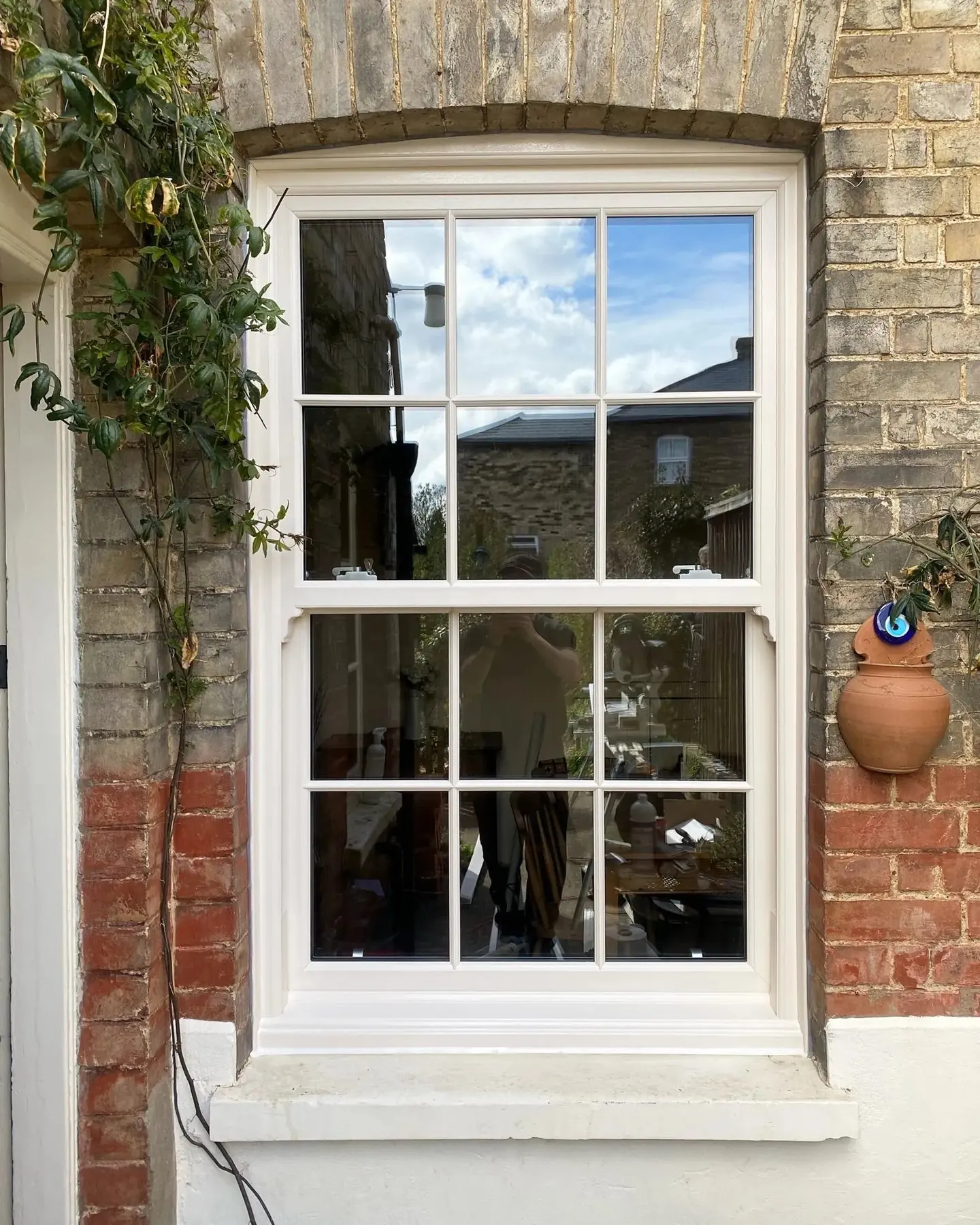
The Details That Make a Sash Look Original
Timber-look joints, a deep bottom rail, run-through horns and glazing bars that cast a real shadow. Small details, but they are what separate a fine sash from an ordinary one.
- Made to Measure
- A+ Energy Rated
- PAS 24 Security
- Directly Employed Installers
- 20 Year Guarantee
You notice a wrong sash from across the street.
Most people can't say why a replacement sash looks wrong, only that it does. Usually it comes down to welded corners, missing horns and a thin bottom rail. We put all three right.
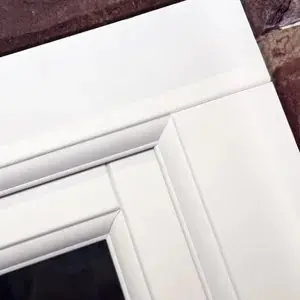
Timber-look joints
A joiner builds a sash with straight joints: the rails run between the stiles, so you see a fine vertical line where they meet. Most PVC-U windows are welded at 45 degrees instead, and that diagonal line at every corner is the first thing that gives a replacement away.
Our timber-look joints recreate traditional joinery, assembled by hand on a cleated system so the joint stays tight for life.
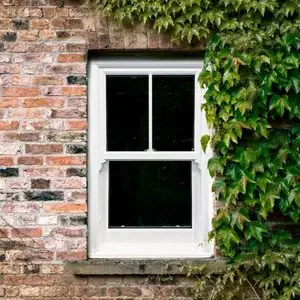
Run-through horns
Horns are the shaped extensions of the upper sash below the meeting rail. Victorian joiners added them to strengthen the joint once heavier plate glass arrived, and they became a signature of Victorian and Edwardian sashes.
Georgian windows usually never had them, so we only specify horns where the house calls for them.
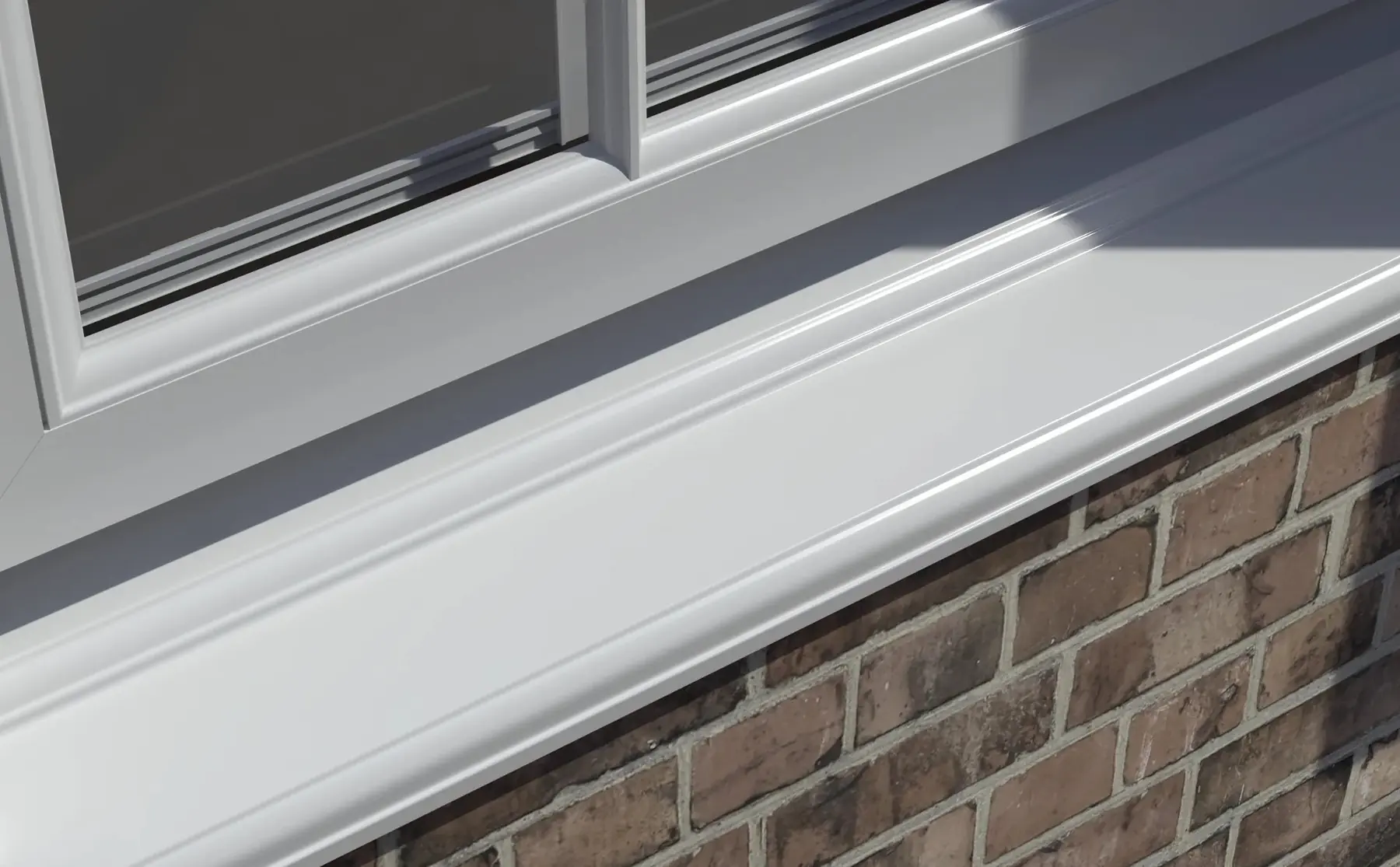
A deep bottom rail
On a traditional sash the bottom rail of the lower sash is noticeably deeper than the others, which gives the window a solid, grounded look. A thin bottom rail is one of the quickest ways to make a sash look modern.
Our deep bottom rail is 90mm, half as deep again as the standard 60mm rail, recreating the look of a mortise-and-tenon joint, in every colour and finish.
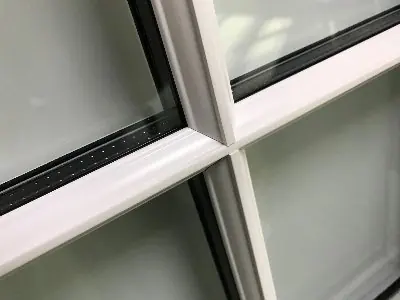
Glazing bars with a real shadow
Astragal bars sit on the face of the glass, so each one stands proud and casts a fine shadow line, just like the glazing bars of a traditional sash. From the street the window reads as individual panes.
Finished properly, inside and out.
Seamless meeting rail
The rail where the sashes meet is made without visible joins, and is stronger for it.
Hidden trickle vents
Background ventilation tucked into the sash rebate, with no vent strip across the head.
Woodgrain finishes
Textured woodgrain foils with the look and feel of painted or stained timber.
Heritage looks, modern performance.
- Energy rating
- A+
- Window U-value
- 1.3 W/m²K standard, 1.2 W/m²K upgrade
- Glass
- Toughened double glazing as standard
- Security
- PAS 24:2022 tested; Document Q on request
- Locking
- Key-locking cam locks and an anti-jemmy cill bar
- Restrictors
- Key-operated, limiting opening to 100mm
- Ventilation
- Concealed trickle vents in the sash rebate
- Cleaning
- Both sashes tilt inwards
- Bottom rail
- 90mm deep option (60mm standard)
- Made
- To measure, in a specialist sash factory
Explore sliding sash windows.
Georgian & Astragal Bars
Which glazing pattern belongs on which house.
Read more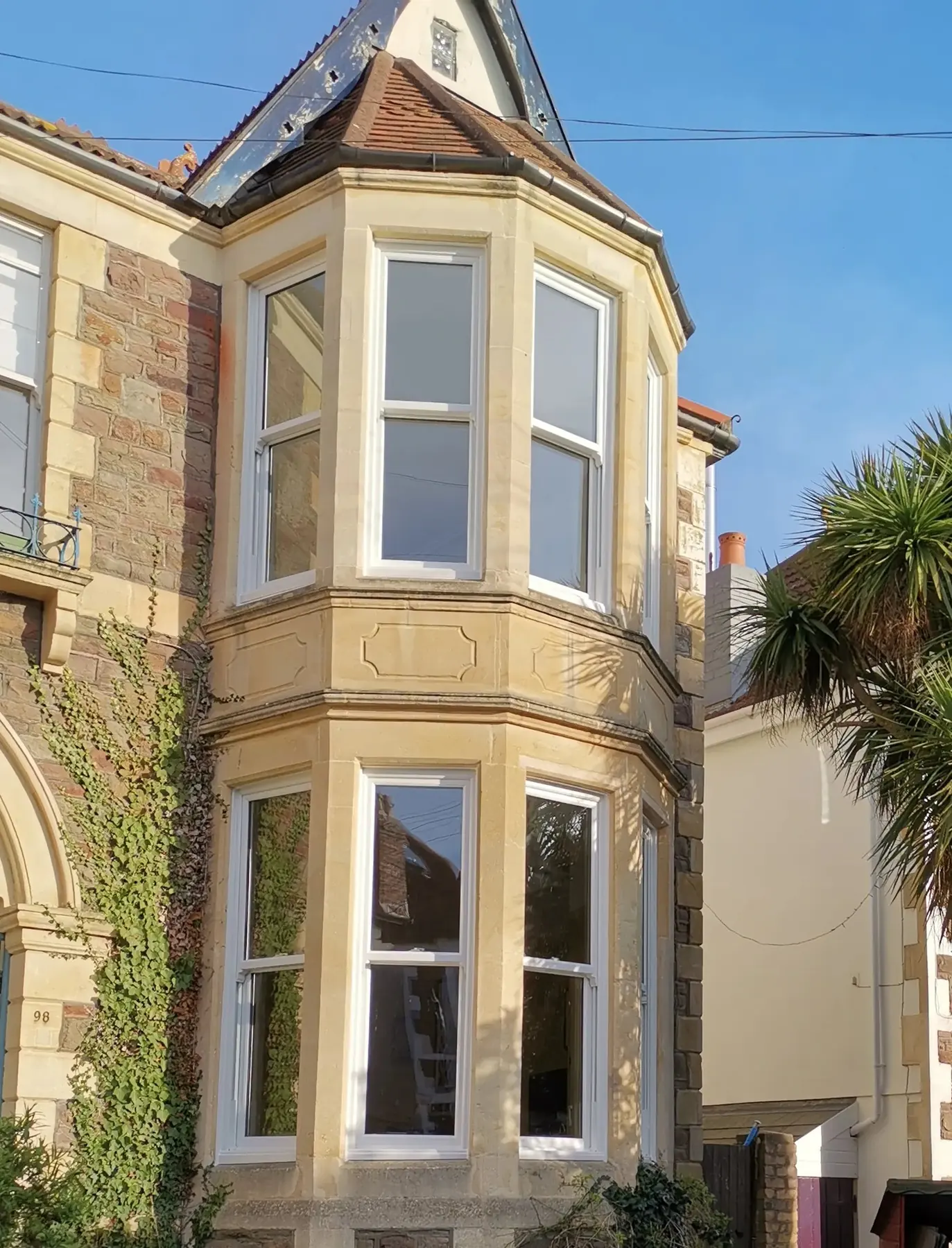
Sash Bay Windows
Splayed and box bays in three and five parts.
Read more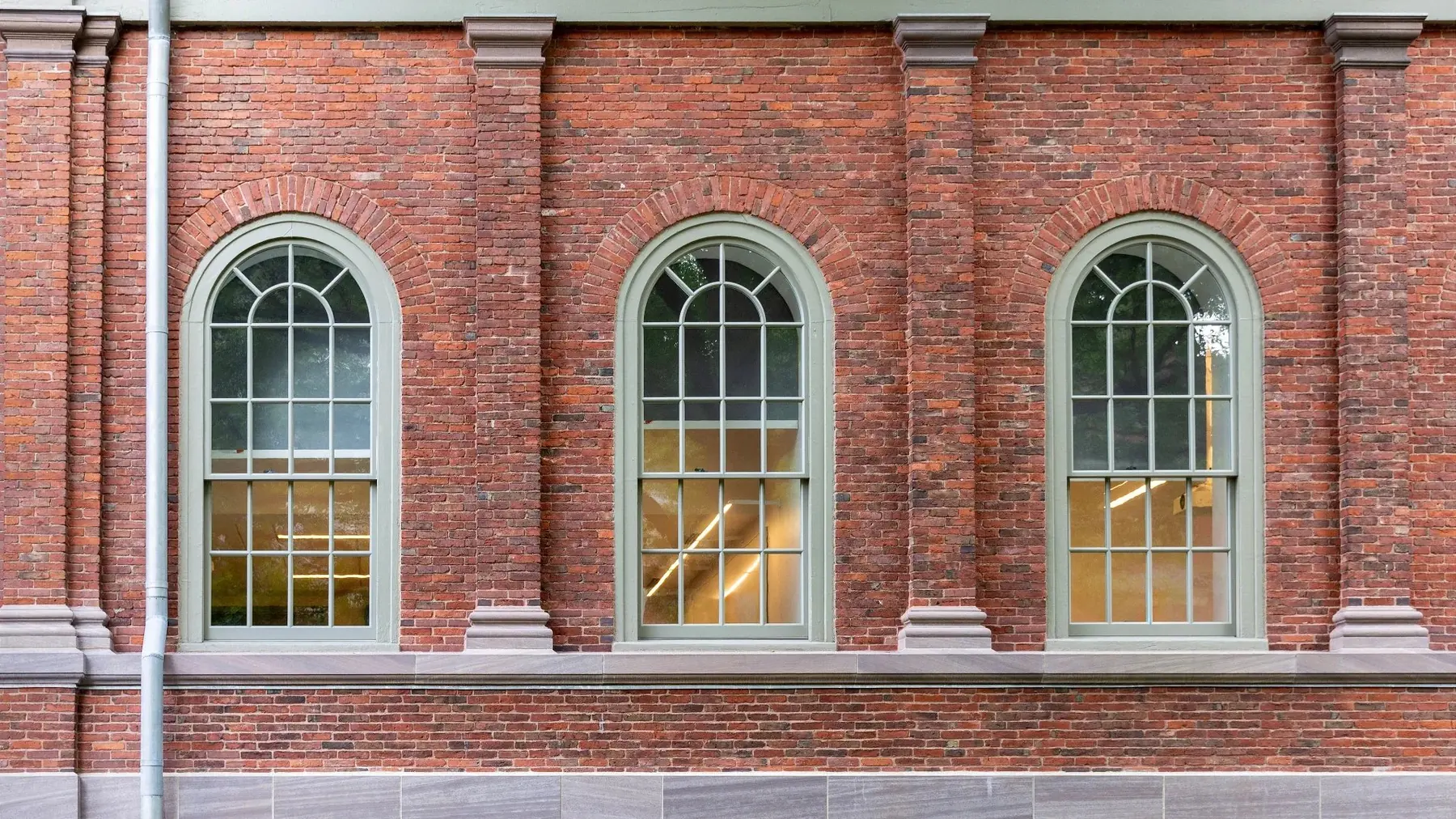
Arched Sash Windows
Swept, true and gothic heads, made to the curve.
Read more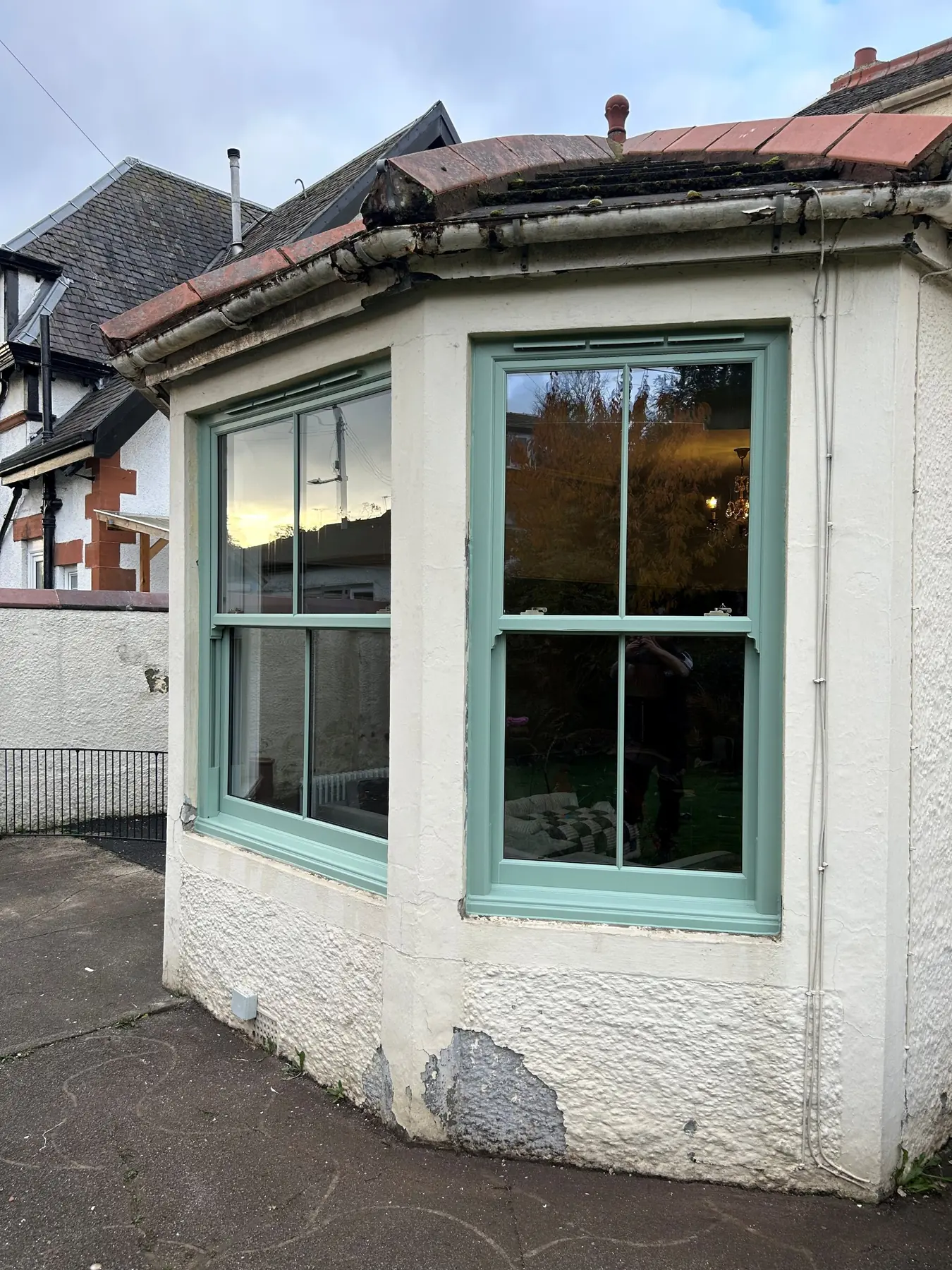
Colours & Hardware
Thirteen finishes, any colour sprayed to order, and eight hardware finishes.
Read more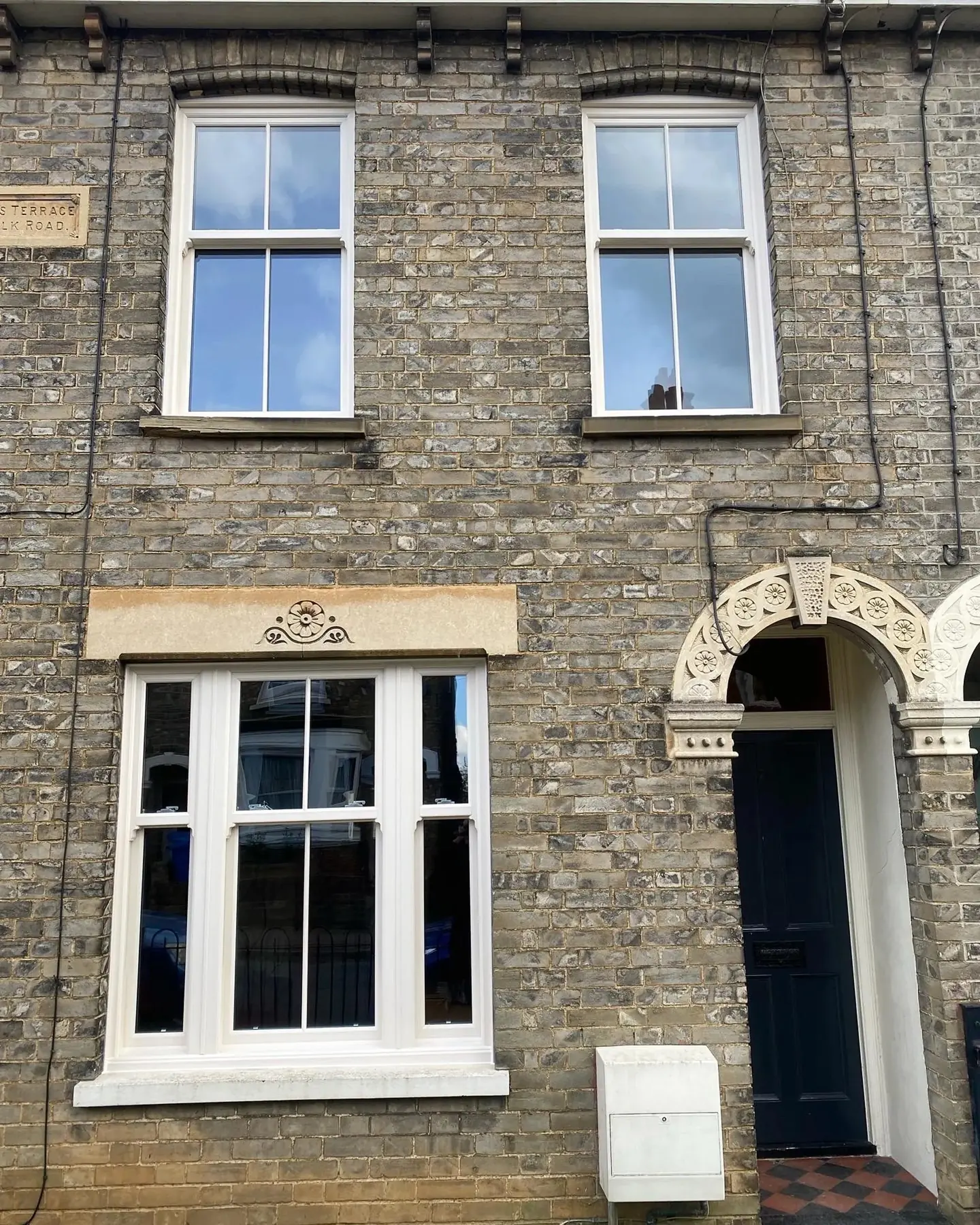
Conservation Areas
What planners look for, and how we help you prepare.
Read moreHeritage sash details: your questions answered.
Book Your Free Sash Window Survey
We'll look at your existing windows, measure every opening individually, bring real colour, glass and hardware samples, and give you a fixed written quotation with no pressure.
- Free, no-obligation home survey
- Every opening measured individually
- Fixed written quotation
- Directly employed installers
Share a few details and a member of our team will be in touch within one working day. No pressure, no pushy sales.